
Crawl Space Moisture and Mold: 7 Warning Signs Under Your Pennsylvania Home
Quick Answer
What are the signs of crawl space moisture and mold?
A musty smell strongest near the floor, sagging or damp insulation, visible growth on joists, standing water after rain, rusty ducts, cupping floors, and window condensation. Air from the crawl space rises into the house, so do not ignore it: get a free visual inspection, test to learn how far it has spread, and fix the moisture source — or the mold comes back.
Most homeowners never look under their house — until the house starts telling them something is wrong. A musty smell that will not air out. Floors that feel soft or start to cup. Allergy-type symptoms at home that fade at work. In Southeastern Pennsylvania — especially in the older housing stock around Pottstown, Phoenixville, King of Prussia, and West Chester — the cause is very often a damp crawl space quietly growing mold on the framing your home sits on. Here is how to read the signs before a hidden problem becomes a structural one.
Why Crawl Spaces Stay Wet in Pennsylvania
Three moisture sources work together. Ground moisture evaporates up from exposed soil around the clock. Summer humidity enters through foundation vents and condenses on cooler joists, pipes, and ducts. And small plumbing drips or a leaking drain line can wet one area for months without ever showing upstairs. Add fallen insulation that traps damp against the subfloor, and the framing stays wet enough for mold in every season — the same moisture logic behind the window condensation in our heating-season humidity guide, just hidden under the floor.
7 Warning Signs to Check
- 1. A musty, earthy smell inside the house, strongest near floors, vents, and the crawl space door.
- 2. Visible growth on joists or subfloor — white, green, or dark patches seen from the access opening with a flashlight.
- 3. Insulation sagging, damp, or on the ground — wet insulation loses its value and holds moisture against the wood.
- 4. Standing water, mud, or a torn vapor barrier after rain — grading, gutter, or drainage water is getting in; our fall gutter and storm prep guide covers the outside fixes.
- 5. Rust on ductwork and soft or cupping floors above the crawl space — moisture has been there a long time.
- 6. Condensation on windows in mild weather and high indoor humidity you cannot explain.
- 7. More pests and allergy-type symptoms at home — insects love damp wood, and rising air carries crawl space spores upstairs, like the hidden spread in our guide to the signs you have mold.
What To Do Next: A Pro Checklist
- 1. Look, do not crawl. Check from the access door with a flashlight. Crawl spaces can hold pests, sharp debris, and electrical hazards.
- 2. Find the water source first. A drip, drainage problem, or missing vapor barrier must be fixed, or any cleanup is temporary.
- 3. Test before you treat when spread is unclear. Professional mold testing shows what is present and how far it reaches, so the plan fits the problem.
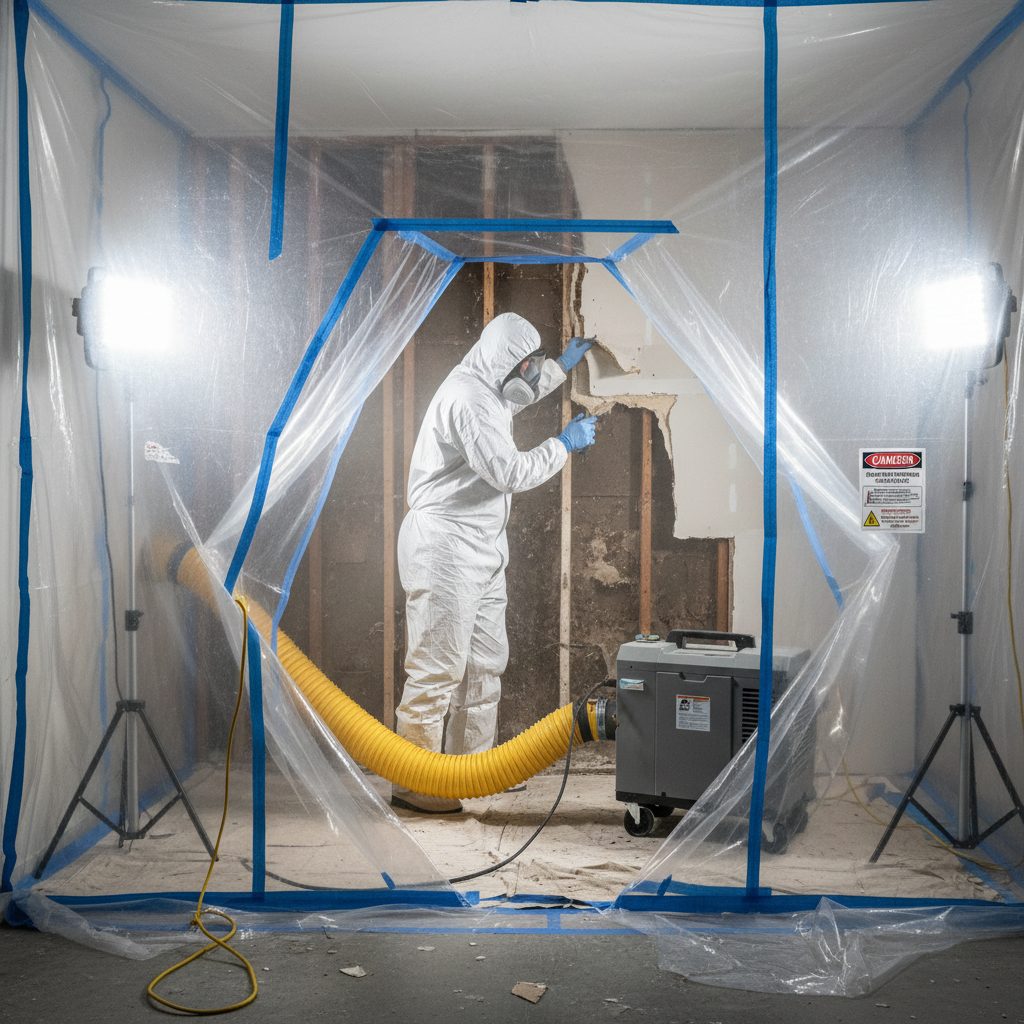
- 4. Remediate under containment. Proper mold remediation contains the work area so spores are not spread through the house during removal.
- 5. Dry and protect. After remediation, the space needs its moisture controlled — repaired barrier, drainage corrected, humidity managed — and clearance testing confirms the result.
Safety Do's and Don'ts
- Do photograph what you can see from the access door for your records and any insurance conversation.
- Do fix plumbing drips and gutter drainage promptly — small water in a crawl space is never self-correcting.
- Don't spray bleach on framing and call it done. It does not address growth inside porous wood or the moisture feeding it.
- Don't seal vents or add insulation over wet, moldy material — that traps the problem in place.
- Don't disturb large areas of growth yourself; disturbing mold without containment spreads spores through the house.
Frequently Asked Questions
A crawl space gives mold everything it needs: ground moisture rising from exposed soil, humid outdoor air entering through vents in summer, plumbing and condensation drips, and dark, still air over wood framing and insulation. In Southeastern Pennsylvania, warm humid air hitting cooler crawl space surfaces condenses like a cold drink sweating — and that steady moisture lets mold establish on joists, subfloor, and ductwork, often for years before anyone looks underneath.
Yes. A large share of the air you breathe on the first floor rises from below the house — air moves upward through gaps around plumbing, wiring, and ductwork, carrying whatever is in the crawl space with it. That is why a musty smell that is strongest near the floor, or allergy-type symptoms that ease when you leave home, often trace back to the crawl space rather than the rooms themselves — the same pattern covered in our guide to the signs you have mold.
From the access door, with a flashlight and without crawling deep inside, look for: white or dark growth on joists, insulation that is sagging, damp, or fallen, standing water or mud after rain, rust on ductwork, a plastic vapor barrier that is torn or missing, and a strong musty or earthy smell. Also watch inside the house for cupping or soft spots in floors above the crawl space and condensation on windows in mild weather.
Testing first is the smart order when you can see growth but do not know how far it has spread, when family members have symptoms, or when you need documentation for a sale or an insurance conversation. Testing identifies what is present so remediation targets the real problem. Our comparison of mold testing vs. remediation explains when testing matters and when visible growth can go straight to a remediation plan. Mold testing is $150 per sample with a minimum of 2 samples.
It depends on the cause and the policy. Mold that results from a sudden, covered water event — like a burst pipe — is treated differently from mold caused by long-term moisture or maintenance issues, which many policies limit or exclude. Photograph what you find, keep any plumber or inspection invoices, and notify your insurer promptly. We work with insurance companies and can help document conditions either way.
Musty smell or growth under your home?
My Water Damage Hero is a local, family-owned company based in Pottstown, PA. We offer free visual inspections, work with insurance companies, have an industrial hygienist on staff, and respond 24/7 across Montgomery, Chester, Delaware, Bucks, Berks, Philadelphia, Lehigh, Lancaster & Monroe County, PA.
Keep reading
 Mold
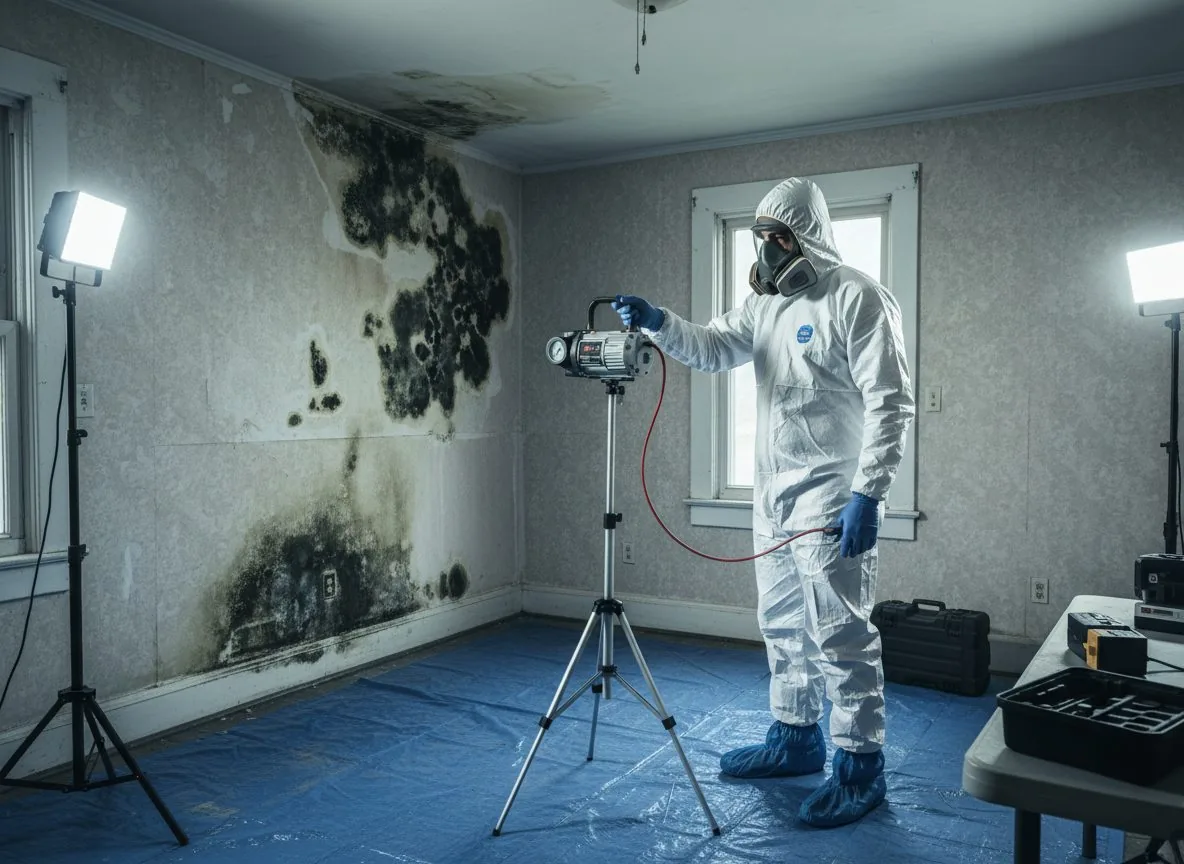
Signs You Have Mold in Your Home
Musty smells, spots, and symptoms — the signs that point to hidden mold and what to do about each one.
Read the guide →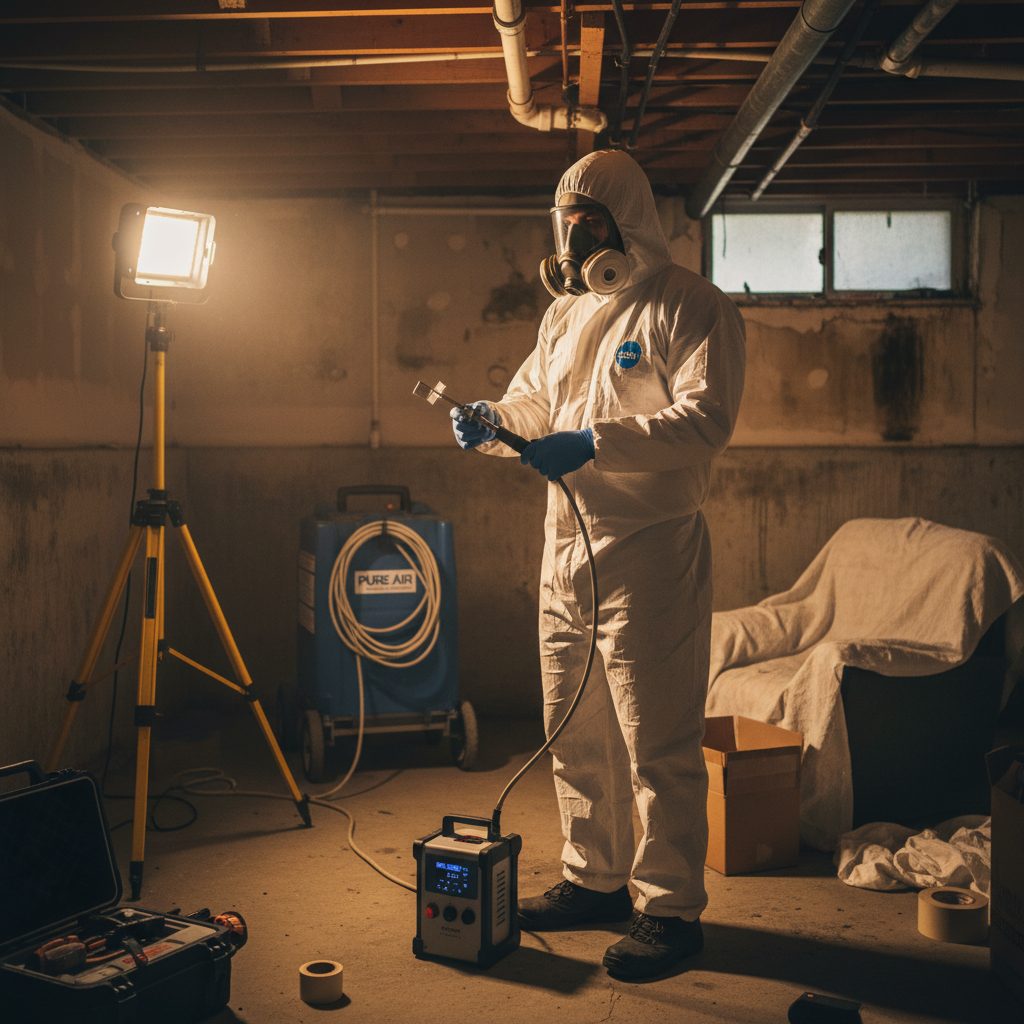 Mold
Mold Testing vs. Mold Remediation: What Comes First?
Testing tells you what you have; remediation removes it. When each step matters — and when you can skip ahead.
Read the guide →