Does Homeowners Insurance Cover Water Damage in Pennsylvania?
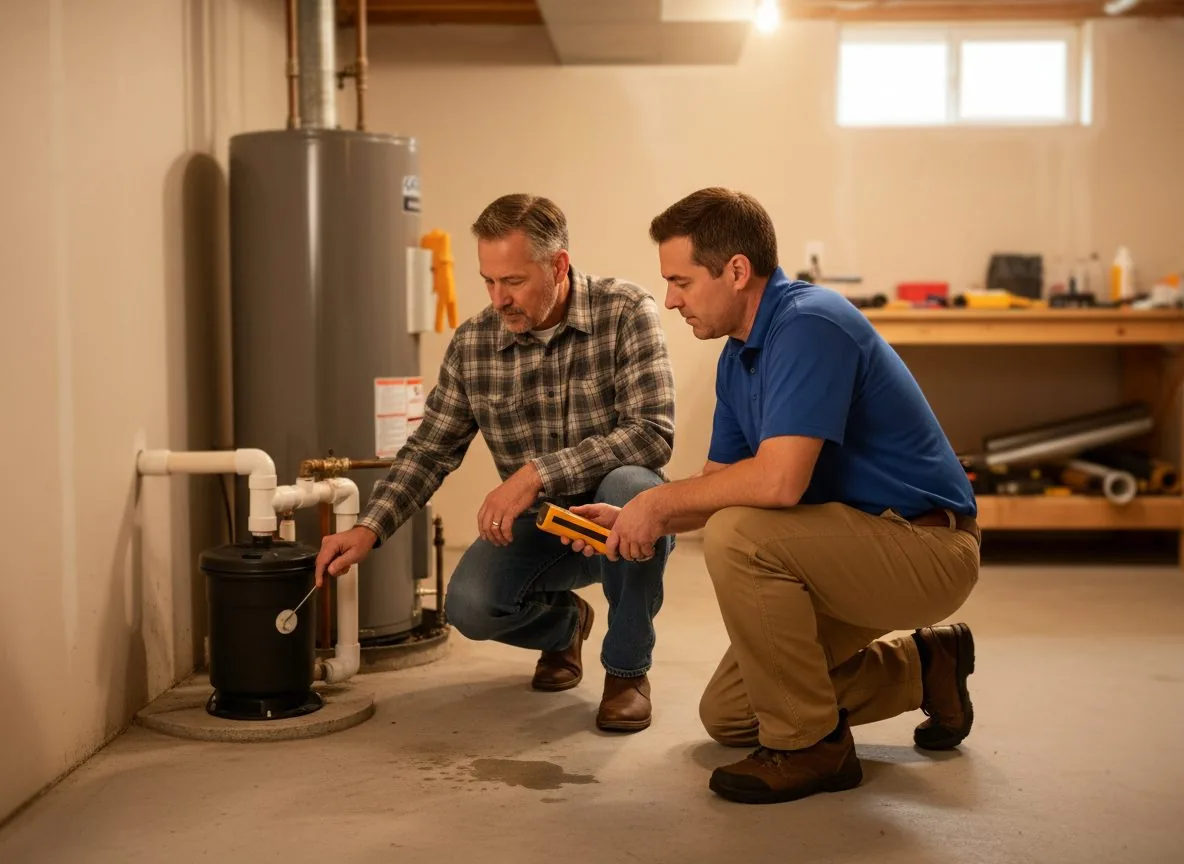
Short answer: yes — if the water damage was sudden and accidental. A burst pipe in January, a failed water heater, or storm-driven rain that rips off part of your roof are the kinds of events a standard Pennsylvania homeowners policy is built to cover. But not every kind of water damage qualifies, and knowing the difference before you file a claim can save you a lot of stress. Here's a plain-English breakdown.
What Pennsylvania Policies Usually Cover
The key phrase in nearly every policy is sudden and accidental discharge of water. That includes a pipe that bursts in freezing weather, an appliance supply line that lets go, a water heater that fails, or wind-driven rain entering through storm-damaged roofing or siding. When the event is sudden and out of your control, the resulting damage to walls, flooring, ceilings, and personal property is generally a covered loss — including the water extraction and structural drying needed to restore the home.
What Usually Isn't Covered
There are a few common exclusions that catch homeowners off guard:
- Gradual leaks and long-term seepage. That slow drip under the sink that finally rots the subfloor? Insurers consider that a maintenance issue, not a covered event. If you discover a hidden water leak that has been developing for months, coverage is unlikely.
- Groundwater seepage. Water that seeps in through foundation walls or a basement floor during heavy rain is generally excluded, even though it's one of the most common problems we see in Montgomery, Chester, and Bucks County basements.
- Neglect. If a known problem went unrepaired — a sump pump that was never serviced, a roof that was already failing — the insurer can deny the claim.
- Sewage backup without an endorsement. Most standard policies exclude sewage and drain backups unless you carry a specific water-backup endorsement. Check your policy.
Flood Damage Is a Separate Policy Entirely
This is the one that surprises people most: rising water from outside the home is not covered by homeowners insurance — not in Pennsylvania, not anywhere. Flood from a swollen creek, storm runoff, or heavy rain pooling against your foundation requires a separate flood insurance policy. Many Southeastern PA homeowners outside the mapped flood zones don't carry one, so it's worth a conversation with your agent before storm season, not after.
What to Do When You Discover Water Damage
The order matters. First, stop the water if you safely can — shut off the main valve. Second, call a licensed, insured restoration company. Insurers expect you to mitigate further damage, and a professional team documents the loss properly: moisture readings, photos, and a written scope of work your adjuster can use. We work with insurance companies every day across Southeastern Pennsylvania, and that documentation is part of what we do.
Third, call your insurer and report the claim. Fourth, don't throw away damaged materials until your adjuster has seen them — photographs help, but adjusters want to see the real thing when possible.
Mold Coverage Has Its Own Fine Print
Mold is usually covered only when it traces back to a covered water event — for instance, mold that grew after the burst pipe described above. Mold from a slow leak you didn't repair is typically excluded. Many policies also cap mold coverage at a specific dollar amount, so ask your agent what your policy's mold limit is. Either way, professional mold testing gives you a documented baseline that helps both the claim and the cleanup.
Frequently Asked Questions
In most cases, yes — when the damage is sudden and accidental, such as a burst pipe, a failed water heater, or storm-driven rain entering through roof damage. Standard Pennsylvania homeowners policies generally do not cover gradual leaks, lack of maintenance, groundwater seepage, or flooding from rising water outside the home.
Mold is typically covered only when it results from a covered water event — for example, mold that grew after a burst pipe. Mold from a long-term leak that went unrepaired is usually excluded, and many policies cap mold coverage. Check your policy's mold limits with your agent.
No. Rising water from outside the home — flooding from storms, overflowing creeks, or heavy rain runoff — is excluded from standard homeowners policies everywhere in the United States, including Pennsylvania. That requires a separate flood insurance policy, typically through the National Flood Insurance Program (NFIP) or a private flood insurer.
Call a restoration company first. Stopping the water and beginning drying immediately protects your home and strengthens your claim — insurers expect you to mitigate further damage. A licensed, insured restoration company that works with insurance companies can document the damage properly for your adjuster.
It can. Water damage claims are among the claims most likely to affect premiums, and some insurers non-renew after multiple claims. That's why it's worth talking with a restoration professional first: they can help you assess whether the damage is likely to exceed your deductible enough to justify a claim.
Water damage and not sure if it's covered?
Start with a free visual inspection. We'll assess the damage, document it for your insurer, and give you honest advice — serving Montgomery, Chester, Delaware, Bucks, and Berks County 24/7.
Keep reading
 Insurance Claims
How to File a Water Damage Insurance Claim (And Get What You Deserve)
Step-by-step guide to documenting damage, working with your adjuster, and avoiding mistakes that reduce your settlement.
Read the guide →
Water Damage
Hidden Water Leak Signs: 11 Clues You Shouldn't Ignore
Hidden water leaks can cause mold and structural damage fast. Learn the 11 signs of a hidden leak and what to do before the damage spreads.
Read the guide →