
Fall Gutter & Storm Prep: How Clogged Gutters Cause Basement Water Damage
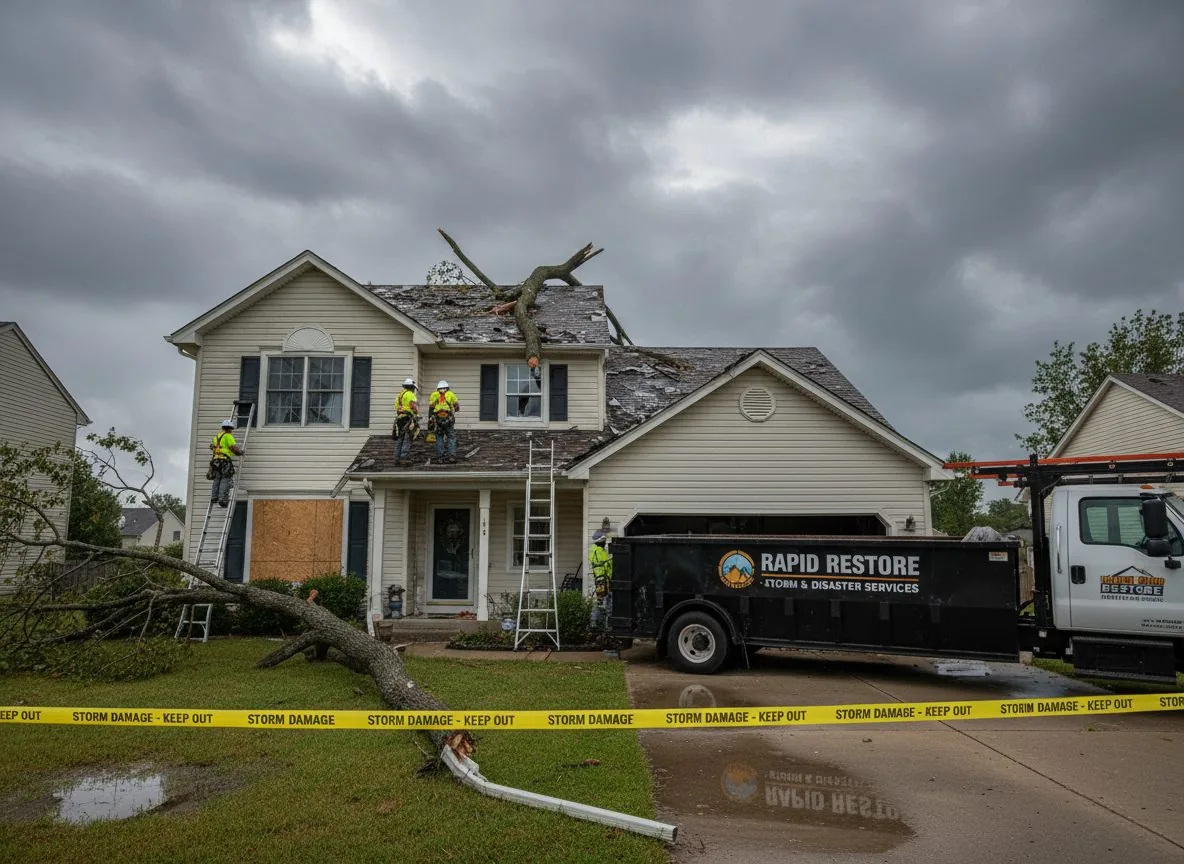
The next heavy fall storm is coming — and if your gutters are clogged, that rain is headed straight for your basement. Every October, we get the same calls across Southeastern Pennsylvania: a storm rolls through, the gutters overflow like waterfalls, and by morning there's water on the basement floor. The good news? This is one of the most preventable kinds of water damage there is. Here's how it happens, and the fall prep that stops it.
How a Clogged Gutter Floods a Basement
Your gutters have one job: catch roof runoff and carry it safely away from your foundation through the downspouts. When leaves, seeds, and debris clog them, the water has nowhere to go but over the edge. It sheets down your siding and pools in the soil right against your foundation — exactly where you least want it. Saturated soil presses water against basement walls, and it finds every crack, mortar joint, and window well. Add a fall nor'easter or the tail end of a tropical storm, and a home in Pottstown, Downingtown, or Doylestown can take on water in a single night. Our storm damage team sees this pattern all season long.
Your Fall Gutter & Storm Prep Checklist
- Clean the gutters and downspouts. Scoop out leaves and debris, flush downspouts with a hose, and confirm water flows freely out the bottom — a clog at ground level backs everything up.
- Extend your downspouts. Discharge should land several feet away from the foundation, not right at its base. Extensions and splash blocks are inexpensive insurance.
- Check the grading. Soil around your foundation should slope gently away from the house. Low spots that puddle after rain are telling you where water will enter.
- Seal window wells and cracks. Clear debris from basement window wells, check their covers, and seal visible foundation cracks before storm season peaks.
- Test your sump pump. Pour a bucket of water into the pit and confirm the pump kicks on and drains. If it struggles, read our guide to sump pump failure warning signs before the next storm tests it for real.
- Move basement valuables up. Store keepsakes, electronics, and documents in plastic bins off the floor — just in case the worst happens despite your prep.
Safety Do's and Don'ts When Water Gets In
- Do photograph the water and any damage for your records before cleanup begins.
- Do call for help quickly — mold can begin growing within 24 to 48 hours of water damage.
- Don't walk through standing water if electrical outlets, panels, or appliances may be submerged.
- Don't wait for the basement to "dry on its own." Water trapped in walls and flooring keeps feeding mold long after the surface looks dry.
If water does get in, our step-by-step guide on what to do after a basement flood walks you through the first 24 hours, and our water and flood extraction team responds 24/7 when you'd rather hand it to a professional.
Frequently Asked Questions
Yes. When gutters clog with leaves and debris, rainwater spills over the edge and pools against your foundation instead of draining away from the house. That water finds cracks, window wells, and porous concrete — and in a heavy fall storm, it can mean inches of water in your basement.
At least twice a year — once in late spring and once in late fall after the leaves come down. Homes in wooded parts of Montgomery, Chester, and Bucks County often need a third cleaning, because a single heavy October storm on clogged gutters is all it takes to cause damage.
Look for water stains or peeling paint just under the roofline, puddles and eroded soil along the foundation, a white powdery residue (efflorescence) on basement walls, musty basement odors after rain, and damp spots that appear in the same place after every storm.
Stay safe first: don't walk through standing water if outlets or appliances are submerged. If it's safe, stop the source, move valuables off the floor, and take photos for your records. Then call a restoration professional quickly — mold can start growing within 24 to 48 hours of water damage.
It depends on your policy. Damage from a sudden, accidental event is treated differently from damage tied to long-term maintenance issues like neglected gutters, which insurers often view as preventable. Document everything, review your policy, and ask your insurer — a restoration company that works with insurance companies can help you document the damage properly.
Storm water in your basement?
My Water Damage Hero is a local, family-owned company based in Pottstown, PA. We offer free visual inspections, work with insurance companies, have an industrial hygienist on staff, and respond 24/7 across Montgomery, Chester, Delaware, Bucks, Berks, Philadelphia, Lehigh, Lancaster & Monroe County, PA.
Keep reading
 Water Damage
What to Do After a Basement Flood
A flooded basement is stressful — but acting fast makes all the difference. A step-by-step guide for the first 24 hours.
Read the guide →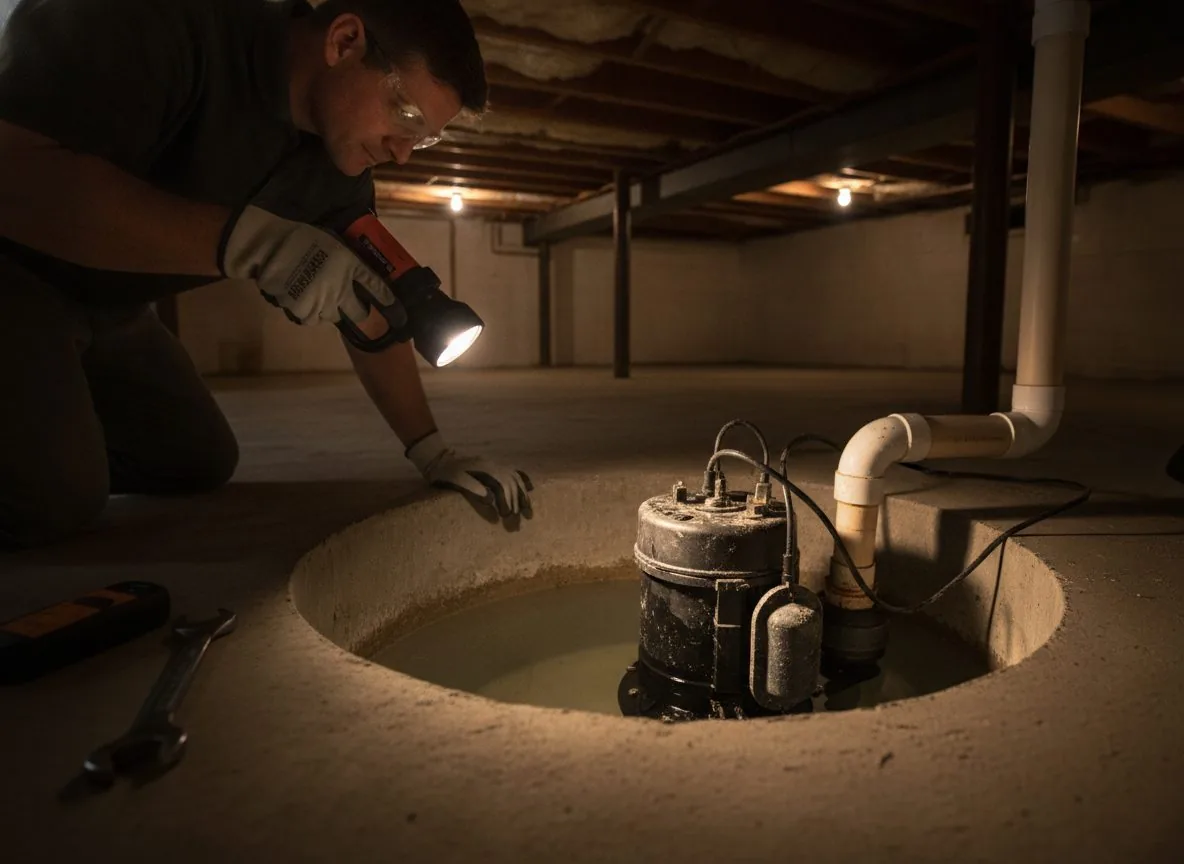 Water Damage
Sump Pump Failure: 9 Warning Signs (And What to Do Next)
Learn the warning signs your sump pump is about to fail — before the next storm puts it to the test.
Read the guide →