
Heating Season Humidity: Why Condensation on Windows Can Lead to Mold
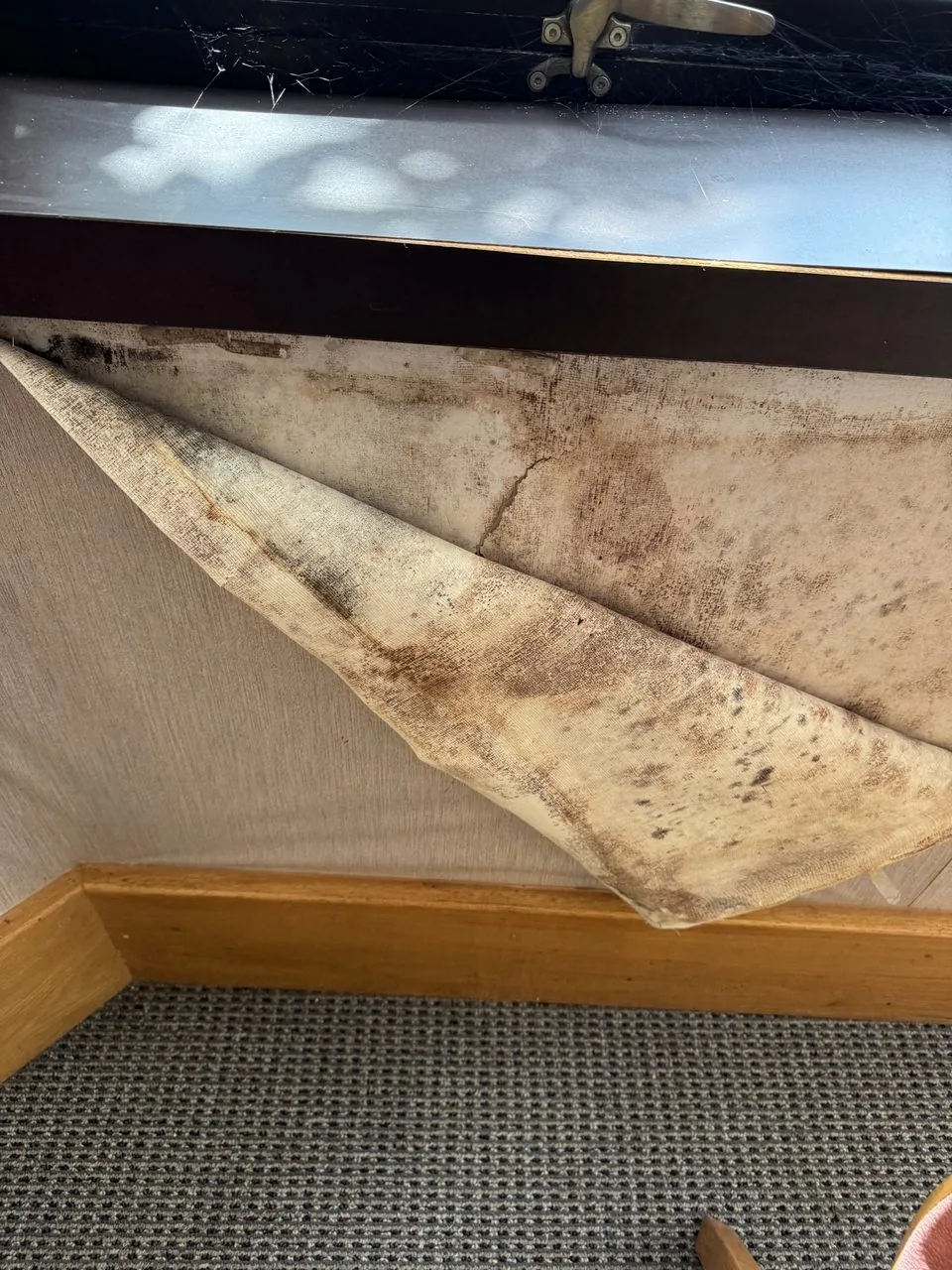
The heat clicks on, the windows fog up — and within weeks, there is dark growth under the sill. Every fall in Southeastern Pennsylvania, homeowners wipe condensation off their windows in the morning and never think about where that water goes. Day after day, it soaks into sills, trim, and drywall. That repeated moisture is enough to feed mold, even in a home that has never flooded. Here is how to spot the pattern early and stop it.
How Heating Season Creates a Moisture Problem
Your home makes moisture all day long: showers, cooking, laundry, houseplants, and people. In summer that moisture escapes. In heating season, windows stay shut, warm moist air builds up inside, and the coldest surface in the room — the window — collects it as condensation. Homes in Pottstown, Phoenixville, and King of Prussia with older windows see it first, but it happens in newer homes too when bathroom and kitchen exhaust fans are not used. If that moisture is not dried, it works into the materials around the window, which is why our mold testing team so often traces winter mold back to a window, a cold exterior wall, or a poorly vented bathroom.
Your Heating-Season Humidity Checklist
- Wipe and watch. Dry windowsills in the morning and note which windows stay wet longest — those rooms need better air flow or lower humidity.
- Run exhaust fans. Use the bathroom fan during showers and for a while afterward, and the kitchen hood when you cook. Fans only help if they vent outside, so check that they do.
- Check your humidity. Set an inexpensive hygrometer in your main living area and bedroom. Persistent wet windows are your clearest signal that indoor humidity is too high for cold weather.
- Move air, not just heat. Keep interior doors open when you can, avoid pushing furniture tight against cold exterior walls, and leave a little space for air to circulate in closets on outside walls.
- Look low and close. Once a month, check under windowsills, in window tracks, and at the base of exterior walls for dark spots, bubbling paint, or a musty smell.
- Fix the source first. If you use a humidifier, turn it down when windows start to sweat. Adding moisture to air that is already condensing makes the problem worse.
Safety Do's and Don'ts
- Do dry wet sills and address the humidity source before cleaning any small spots you find.
- Do get an inspection if mold keeps returning — returning mold means the moisture source is still active.
- Don't paint or caulk over visible mold to hide it. That traps moisture and lets growth continue underneath.
- Don't ignore a musty smell you cannot locate. Hidden moisture in a wall cavity needs professional testing, not guesswork — see how mold testing and remediation differ.
If you are already seeing growth, our guide to the warning signs of mold in your home can help you check the rest of the house, and our mold remediation team can explain next steps once testing shows what is present.
Frequently Asked Questions
Warm indoor air holds moisture from cooking, showers, laundry, and even breathing. When that air touches a cold window, the moisture condenses into water droplets. The bigger the gap between indoor and outdoor temperatures, the more condensation you will see — especially on older or single-pane windows.
Yes, if it happens day after day. Repeated moisture soaks into windowsills, drywall, and trim, and mold can begin growing on those damp surfaces. The first signs are often dark spots under a sill, peeling paint, a musty smell near windows, or mold on the sill itself.
A common general target is to keep indoor humidity moderate — not so dry that your skin and woodwork suffer, and not so damp that windows stay wet. A simple inexpensive hygrometer can show you your actual level. If your windows are wet most mornings, your humidity is too high for the outdoor temperature, whatever the number says.
Dry the area, improve air flow, and avoid painting over visible mold — that hides the symptom without fixing the moisture source. If the area is large, keeps coming back, or you can smell mold but cannot see the source, get a professional inspection and testing so you know what you are dealing with before any remediation.
Call when mold covers a large area, returns after cleaning, appears in multiple rooms, or follows any water damage. Also call if family members notice worsening musty odors. A free visual inspection can help you understand whether you need testing, remediation, or simply better humidity control.
Seeing mold around your windows?
My Water Damage Hero is a local, family-owned company based in Pottstown, PA. We offer free visual inspections, work with insurance companies, have an industrial hygienist on staff, and respond 24/7 across Montgomery, Chester, Delaware, Bucks, Berks, Philadelphia, Lehigh, Lancaster & Monroe County, PA.
Keep reading
 Mold
Mold
7 Warning Signs You Have Mold in Your Home
Mold doesn't always show itself. Learn the hidden warning signs and what to do if you spot them.
Read the guide → Mold
Mold
How Long Does It Take Mold to Grow After Water Damage?
Mold can start growing 24-48 hours after water damage. Learn the timeline and why fast drying matters.
Read the guide →