
Holiday Guests Coming? Check These Mold and Moisture Spots Before They Arrive
Quick Answer
How do you check for mold before holiday guests arrive?
Two to three weeks before the visit, open up the guest room and any basement bedroom and check under windowsills, in closets on exterior walls, behind furniture, around baseboards, and in the guest bathroom for dark spots, peeling paint, damp drywall, and musty smells. Air the room out, dry anything damp, and fix the moisture source — not just the spot. If mold is large, keeps returning, or you can smell it but cannot find it, schedule a professional inspection and mold testing before anyone sleeps in that room.
The spare room has been closed up since summer — and now it smells like a damp basement. Every fall in Southeastern Pennsylvania, hosts open the guest room a day or two before family arrives and find a musty smell, spots under the window, or a basement bedroom that feels damp. Guests should remember your cooking, not your mold. A short check a few weeks ahead gives you time to fix small issues calmly and to call for help on bigger ones before anyone sleeps in that room.
Why Spare Rooms and Basement Bedrooms Hide Mold
Rooms that stay closed trap moisture. There is little air flow, furniture often sits tight against cold exterior walls, and nobody is in there to notice a slow window, roof, or plumbing leak. Basement bedrooms in Pottstown, King of Prussia, Phoenixville, and across the region sit against cool foundation walls where condensation can form behind a bed or dresser. By the time the door opens for the holidays, a small moisture problem may have been feeding mold quietly for weeks. Our mold testing team traces a lot of holiday-season calls back to exactly these closed-up rooms.
Your Pre-Guest Mold and Moisture Checklist
- Trust your nose first. Walk in after the room has been closed and note any musty, earthy smell. A smell that returns after airing out points to an active moisture source.
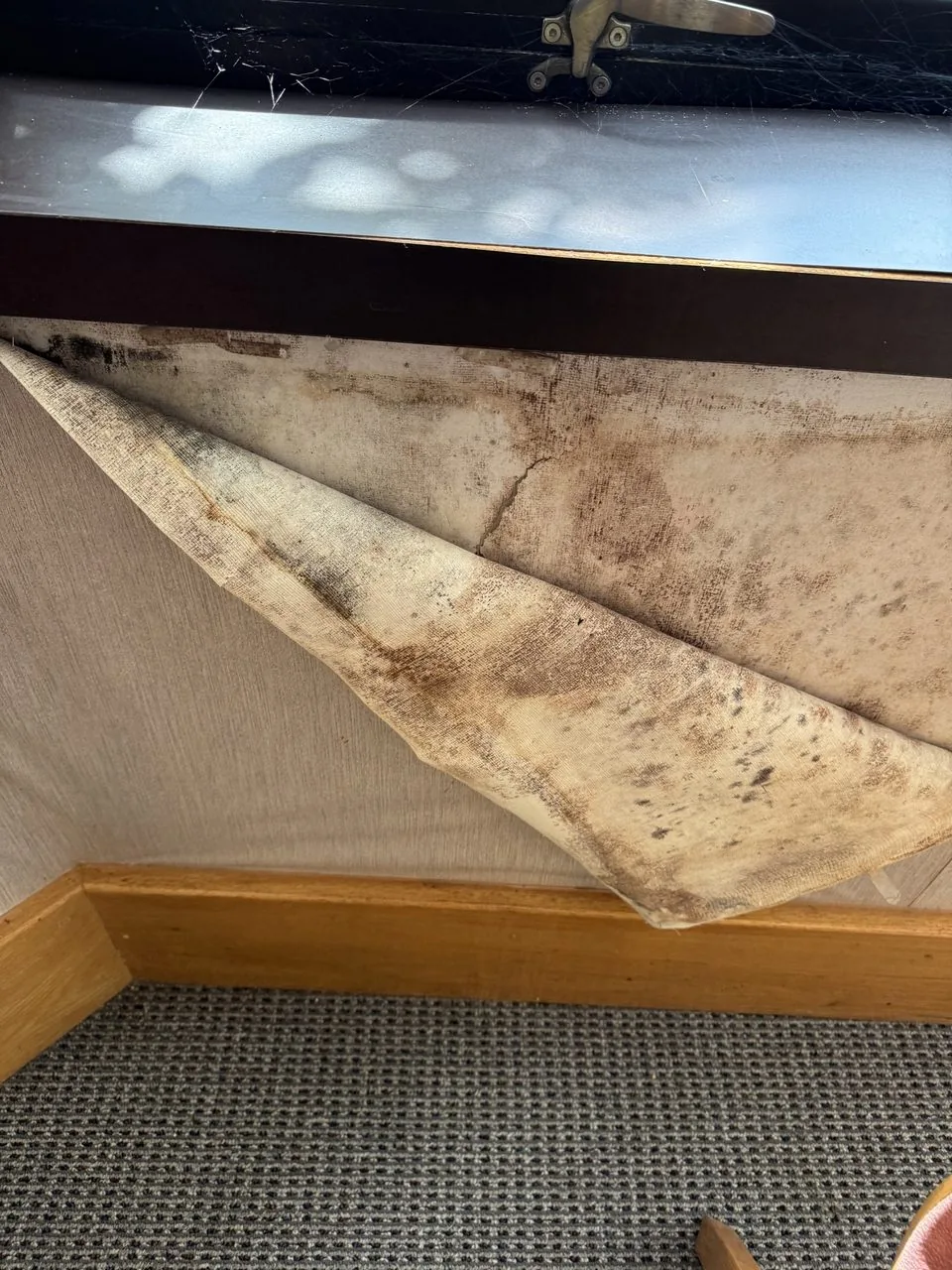
- Check under windows and in tracks. Look for dark spots, bubbling paint, and damp sills — the same condensation pattern we covered in our guide to heating-season humidity and window mold.
- Move the furniture. Pull beds, dressers, and stored boxes a few inches off exterior and basement walls and look behind them for spots or damp drywall.
- Open the closets. Closets on outside walls run cold and still. Check corners, the floor, and any stored bedding for spots or odor.
- Inspect the guest bathroom. Check under the sink, around the tub and toilet base, and at the ceiling fan. Run the fan during showers and confirm it vents outside.
- Look in the basement beyond the bedroom. Check the water heater, laundry area, and sump area for leaks or standing water, and review the warning signs in our guide to the signs you have mold.
- Dry and air it out. Open doors, run air flow, and use a dehumidifier in a damp basement room until surfaces feel dry — then keep checking for a few days.
Safety Do's and Don'ts
- Do start two to three weeks early, so a real problem can be tested and addressed before guests arrive.
- Do fix the moisture source first — a leak, condensation, or poor ventilation — or any cleaning will be temporary.
- Don't paint, caulk, or hang a picture over visible mold to hide it from guests. That traps moisture and lets growth continue underneath.
- Don't have a guest with breathing sensitivities sleep in a room with a strong musty smell you cannot explain. Move them to another room and get the space inspected.
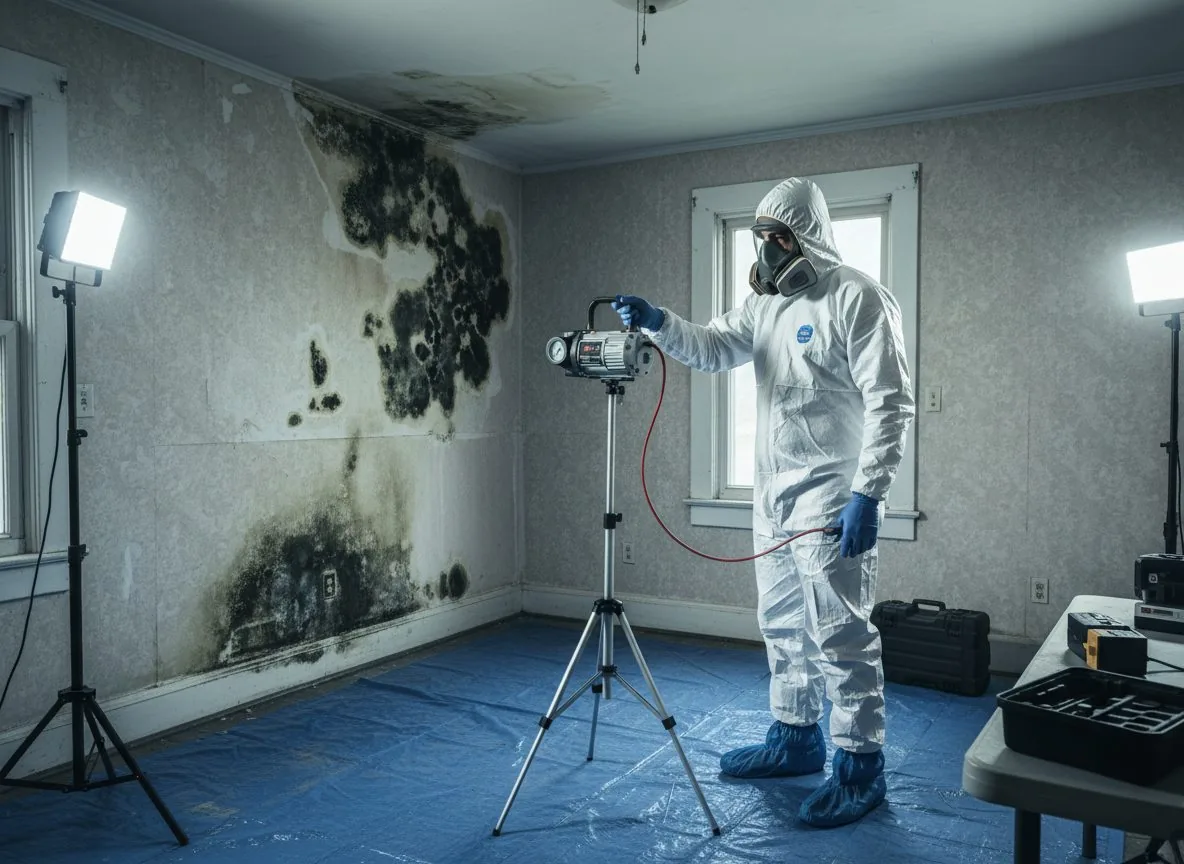
- Don't disturb a large area of mold on your own. Large or hidden growth is a job for professional mold remediation after testing shows what is present — see how mold testing and remediation differ.
Frequently Asked Questions
Start with your nose and a flashlight. Open the room, note any musty smell, then check under windowsills, in closets on exterior walls, behind furniture pushed against cold walls, around the baseboard, and in the attached bathroom. Look for dark spots, bubbling or peeling paint, and soft or stained drywall. Run your hand along exterior walls for damp or cold, wet patches.
A room that stays closed with little air flow traps moisture from the rest of the house. Basement bedrooms sit against cool foundation walls where condensation can form, and spare rooms often hide slow issues like a small roof, window, or plumbing leak. A musty smell that returns after airing the room out usually means an active moisture source, not just stale air.
For a very small surface spot, cleaning and thoroughly drying the area may be enough for now, as long as you also fix the moisture source. Do not paint or caulk over visible mold to hide it, and do not rely on scented sprays to cover a musty smell. If the area is large, keeps coming back, or you smell mold but cannot find it, get professional testing before guests sleep in that room.
Two to three weeks ahead is ideal. That leaves time to air out and dry a room, run a dehumidifier, fix a small leak, and — if you find something bigger — schedule a professional inspection and testing before your guests arrive, instead of the night before.
Call when mold covers a large area, appears in more than one room, returns after cleaning, follows any water damage, or when a musty smell has no visible source. A free visual inspection can help you understand whether you need testing, remediation, or simply better humidity and air flow control.
Found mold before your guests arrive?
My Water Damage Hero is a local, family-owned company based in Pottstown, PA. We offer free visual inspections, work with insurance companies, have an industrial hygienist on staff, and respond 24/7 across Montgomery, Chester, Delaware, Bucks, Berks, Philadelphia, Lehigh, Lancaster & Monroe County, PA.
Keep reading
 Mold
Heating Season Humidity: Why Condensation on Windows Can Lead to Mold
Heating season condensation on windows can lead to mold. Learn the warning signs and simple humidity checks.
Read the guide →
Mold
7 Warning Signs You Have Mold in Your Home
Mold doesn't always show itself. Learn the hidden warning signs and what to do if you spot them.
Read the guide →