
How Long Does It Take Mold to Grow After Water Damage?
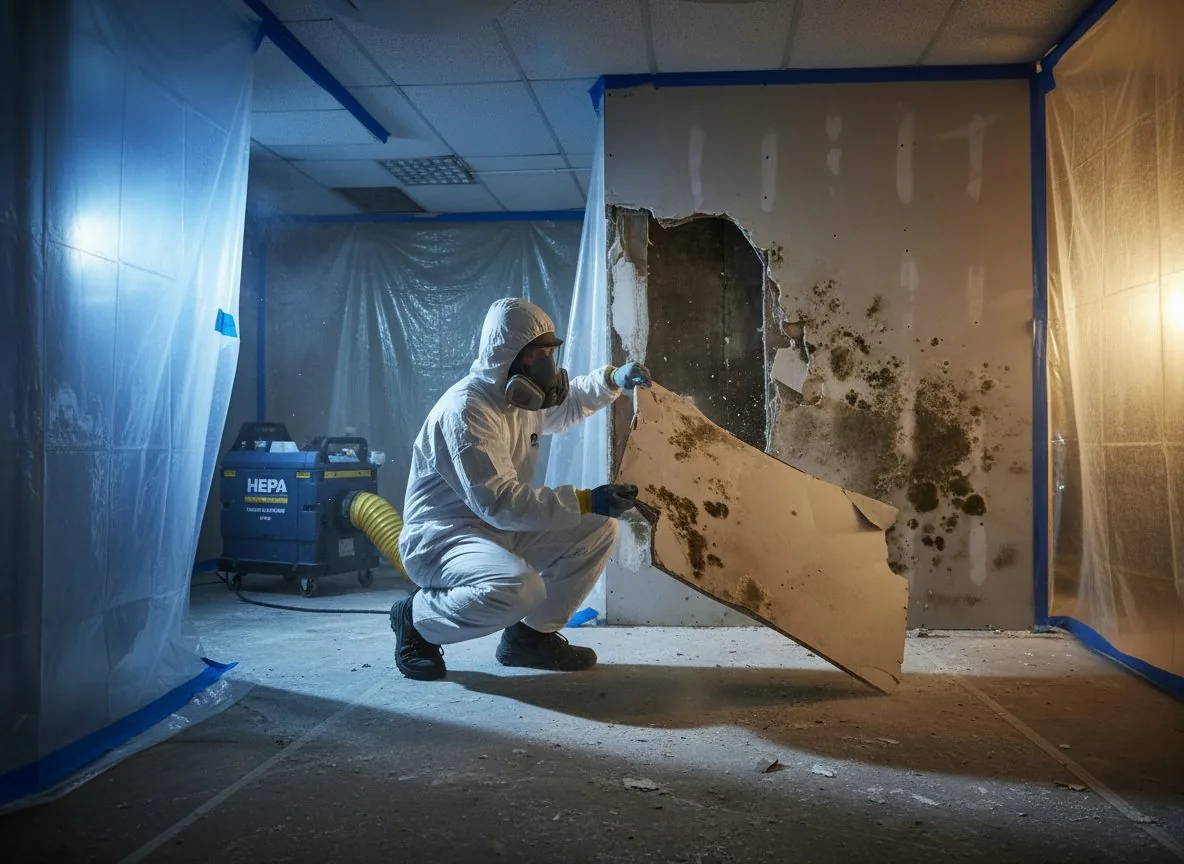
Mold can begin growing within 24 to 48 hours of a water event. If your basement flooded over the weekend or a supply line let go overnight, the clock is already running. Mold needs just three things — moisture, warmth, and an organic food source — and a typical home provides all three in abundance. The good news: fast, thorough drying can stop it before it starts.
The Mold Growth Timeline
Here's what generally happens after a water event in a Southeastern Pennsylvania home:
- Hours 0–24: Water soaks into drywall, wood framing, carpet padding, and insulation. Nothing visible yet — mold spores are present everywhere in the air, just waiting for the right conditions.
- Hours 24–48: With moisture above about 60% relative humidity and temperatures in the 70s, spores germinate on damp surfaces. Growth begins — still invisible to you.
- Days 3–7: Colonies expand inside wall cavities and under flooring. You might notice a faint musty odor, especially in the basement.
- Weeks 2+: Visible mold, strong odors, and possible structural damage to drywall and wood. By this point, remediation — not just drying — is needed.
That first 24- to 48-hour window is why our 24/7 emergency response exists. The faster professional drying equipment gets on the job, the smaller the mold problem stays.
What Speeds Mold Growth Up
Not every water event grows mold at the same pace. Warm, humid conditions — like a Bucks County basement in July — accelerate germination dramatically. Porous materials like drywall, carpet padding, and ceiling tiles feed mold far more readily than tile or concrete. And stagnant air lets moisture sit exactly where mold wants it. One more accelerator: organic debris. Floodwater that carries in silt, or a basement full of stored cardboard boxes, gives mold a feast along with its drink.
"But I Cleaned Up the Water Already"
This is the most common thing we hear, and it's an understandable misunderstanding. Mopping up visible water and running a box fan doesn't touch the moisture soaked into the wall cavity, under the baseboards, or inside the carpet pad. Building materials can stay damp for days after the surface feels dry to your hand. If materials stay wet past that 48-hour mark, mold grows behind the scenes — which is why professional mold testing and moisture mapping matter even when everything looks fine.
What to Do After a Water Event
First, stop the source and remove what water you safely can. Second, get professional drying in place fast — our licensed, insured team serves Montgomery, Chester, Delaware, Bucks, Berks, and surrounding counties around the clock. Third, if more than a day or two passed before drying began, have the area tested. Air sampling and surface sampling from our in-house industrial hygienist's protocol tell you exactly what's growing and how far it spread — before you spend a dollar on remediation.
If it's been longer than a week and you smell that telltale musty odor or see discoloration, skip straight to testing. What you can't see is almost always worse than what you can.
The 48-Hour Rule, Explained
Restoration professionals talk about the "48-hour rule" for a reason: materials that stay wet longer than about two days almost always develop mold, and materials dried within that window usually don't. That's why our crews prioritize rapid structural drying — commercial dehumidifiers and air movers placed with intention, not just a fan pointed at a puddle. If you're searching for water damage help near me in Montgomery County or anywhere in Southeastern PA after a leak or flood, the company you call should talk about drying timelines, not just cleanup. Speed isn't about convenience; it's the difference between a drying job and a mold remediation job.
Frequently Asked Questions
Mold can begin growing within 24 to 48 hours after water damage when conditions are right — warmth, moisture, and an organic food source like drywall, wood, or carpet. In a warm, humid home, visible mold can appear in as little as a few days.
Yes. Mopping up visible water doesn't remove the moisture trapped inside walls, under flooring, and in padding. If building materials stay damp for more than 24 to 48 hours, mold can take hold behind the surfaces you cleaned — which is why professional structural drying matters.
Common clues include a persistent musty odor, unexplained allergy-like symptoms, warping or discoloration on walls, and a recent water event. Professional mold testing with air sampling can detect hidden mold you can't see.
Somewhat — mold grows more slowly in cold conditions — but it doesn't stop. Heated homes stay warm enough for growth even in winter, and materials that never fully dried will simply grow mold more slowly. The drying window still matters year-round.
Had a water event in the last few days?
Don't wait for the musty smell. Get a free visual inspection — we'll check moisture levels and give you honest advice, day or night, anywhere in our service area.
Keep reading
 Water Damage
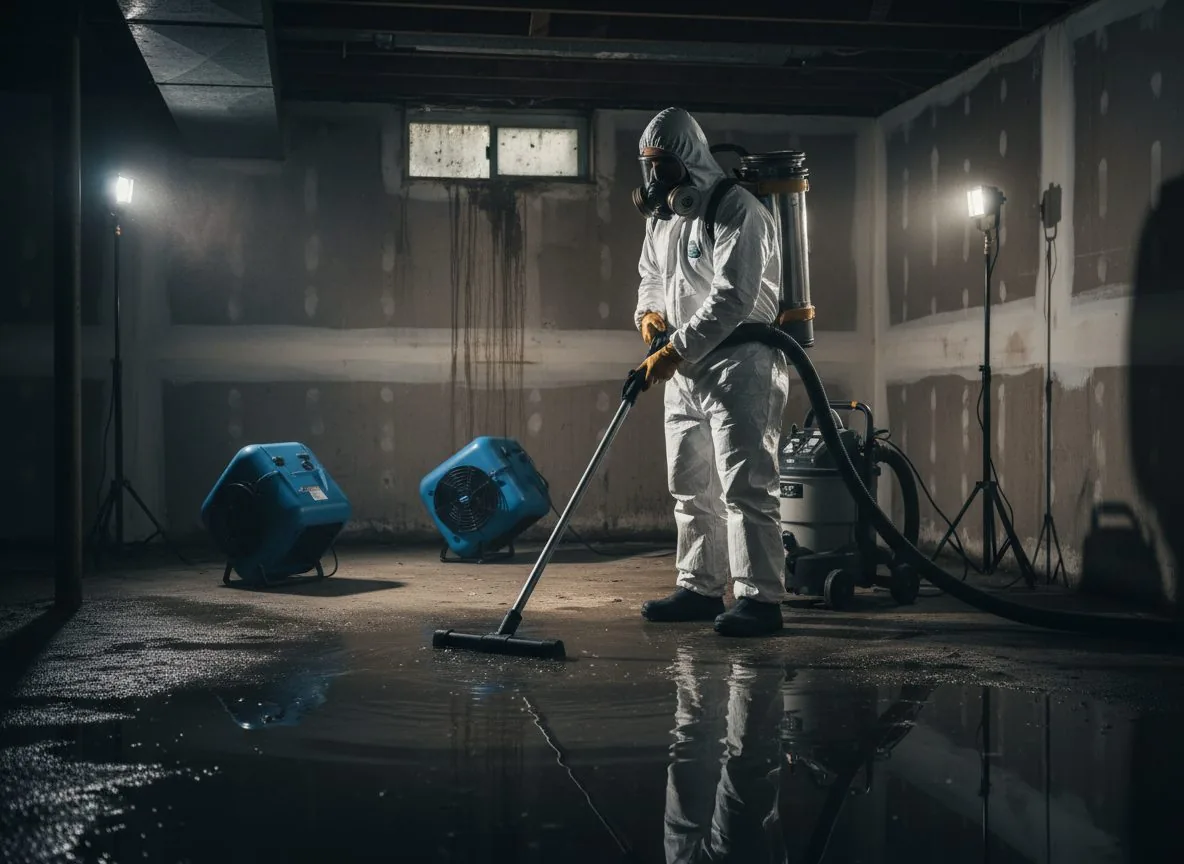
What to Do After a Basement Flood
A flooded basement is stressful — but acting fast makes all the difference. Your step-by-step plan for the first 24 hours in Southeastern PA.
Read the guide →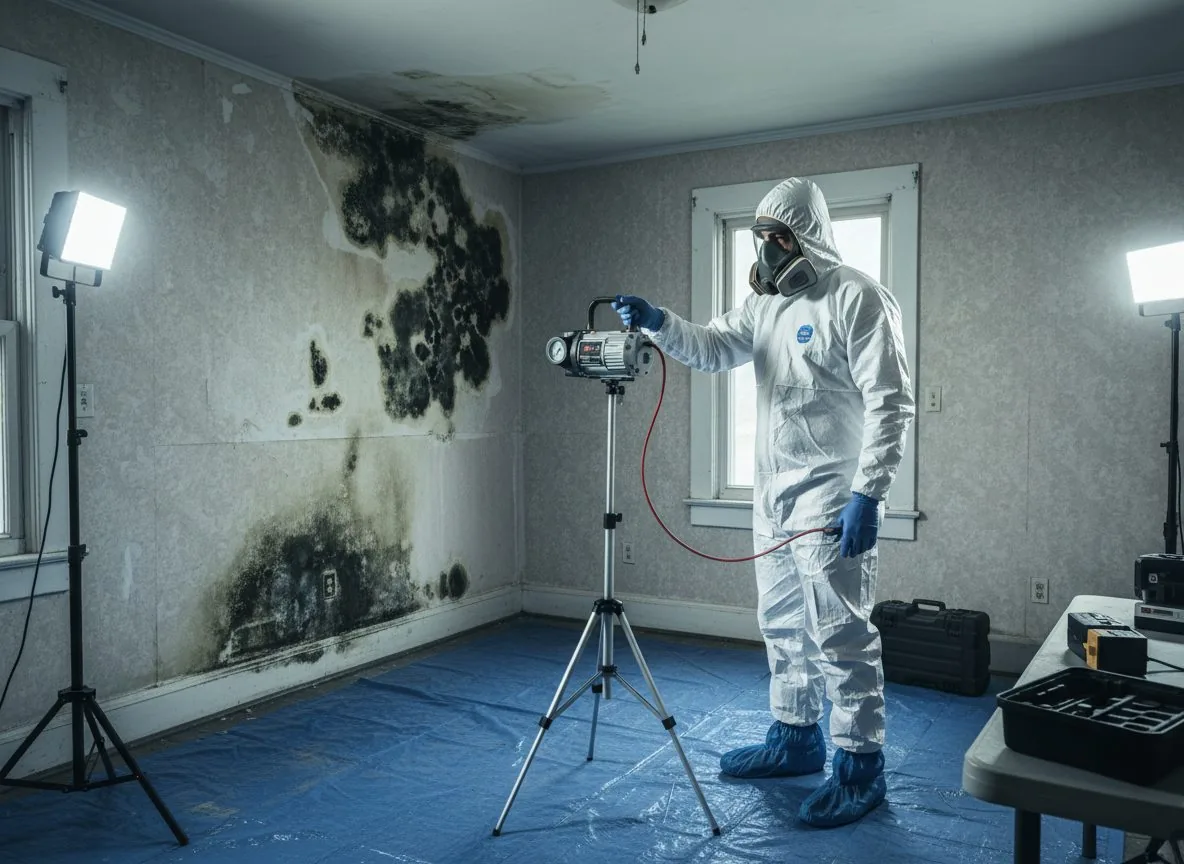 Mold
Mold
7 Warning Signs You Have Mold in Your Home
Mold doesn't always show itself. Learn the 7 hidden warning signs — musty odors, health symptoms, water stains — and what to do if you spot them.
Read the guide →