How to Prevent Frozen Pipes Before Winter Hits in Pennsylvania
One hard freeze is all it takes — a pipe ices over, pressure builds, and by morning you are standing in water. Every winter in Southeastern Pennsylvania, burst pipes flood kitchens, basements, and bathrooms in homes that had no warning the day before. The good news: most frozen-pipe damage is preventable with a short fall checklist done now, in October, while the weather is still mild. Here is exactly what to do, room by room.
Why Pipes Freeze — and Why They Burst
When water inside a pipe freezes, it expands. That expansion raises pressure in the line, and the pipe — or a joint or fitting — gives way, often in a spot you cannot see inside a wall. The flood is usually discovered when the ice thaws and water runs freely. Homes in Pottstown, Royersford, Collegeville, and across Montgomery and Chester Counties see the same pattern every year: the pipes at risk are not in the warm middle of the house, but along exterior walls, in garages, crawl spaces, and unheated basements. Knowing where your vulnerable pipes run is the first step — our water extraction and drying team is most often called to those exact spots after a thaw.
Your Fall Frozen-Pipe Prevention Checklist
- Insulate exposed pipes. Add foam pipe sleeves to pipes in the basement, crawl space, attic, and garage, and pay extra attention to pipes on exterior walls. Seal gaps where pipes pass through walls.
- Disconnect outdoor hoses. Remove garden hoses, drain outdoor faucets, and shut off their indoor supply valves if you have them. A frozen hose bib is a very common burst point.
- Know your main shutoff. Find your main water shutoff valve today, make sure it turns, and show everyone in the house where it is. Minutes matter when a pipe bursts.
- Keep steady heat. Avoid deep thermostat setbacks on the coldest nights, especially if you travel. If you leave town in winter, keep the heat on and ask a neighbor to check the house.
- Open cabinets and let air move. During a cold snap, open kitchen and bathroom cabinet doors on exterior walls so warm air reaches the pipes, and consider a slow faucet drip overnight.
- Check the quiet spots now. Look for the signs of a hidden leak — stains, soft drywall, a musty smell — before winter. A small leak plus a freeze is far worse than either alone, and test your sump pump before spring melt follows winter.
Safety Do's and Don'ts
- Do shut off the main water supply immediately if a pipe bursts, and call for help before water spreads.
- Do take photos and video of any damage for your insurance records before cleanup begins.
- Don't stand in standing water near electrical outlets or appliances, and don't use electrical equipment in flooded areas.
- Don't use an open flame to thaw a frozen pipe. If a pipe is frozen but not burst, gentle heat and a professional call are safer than guessing.
- Don't wait days to dry a soaked room — mold can start growing quickly after water damage, as we explain in our guide to how fast mold grows after water damage.
If the worst happens anyway, our step-by-step guide on what to do after a basement flood walks through the first 24 hours, and our mold testing team can check a dried room afterward so a burst pipe does not turn into a mold problem weeks later.
Frequently Asked Questions
Pipes in unheated or poorly insulated spots freeze first: exterior walls, garages, crawl spaces, attics, and basements near outside walls. Kitchen and bathroom pipes on an exterior wall are common trouble spots, especially during a sudden cold snap after a mild fall.
Risk rises when outdoor temperatures stay well below freezing for many hours, especially overnight. There is no single safe number for every home — wind, insulation, and how warm you keep the house all matter. The practical rule is simple: when a hard freeze is forecast, run your prevention steps that day, not after.
A slow drip from faucets served by vulnerable pipes can help keep water moving and relieve pressure if ice starts to form. It is a short-term step during the coldest nights, not a substitute for insulation and heat. Open the cabinet doors under sinks on exterior walls so warm room air can reach those pipes.
Shut off your home's main water supply right away, then turn off electricity to the affected area only if you can do so safely without standing in water. Move belongings out of the water if it is safe, take photos for your records, and call for 24/7 water extraction and drying help — standing water and soaked drywall can lead to mold quickly.
Many policies cover sudden and accidental water damage from a burst pipe, but coverage varies by policy and cause, and gradual leaks are treated differently. Document the damage with photos, keep receipts, and contact your insurer promptly. A restoration company that works with insurance companies can help document the loss.
Dealing with a burst pipe or water damage?
My Water Damage Hero is a local, family-owned company based in Pottstown, PA. We offer free visual inspections, work with insurance companies, have an industrial hygienist on staff, and respond 24/7 across Montgomery, Chester, Delaware, Bucks, Berks, Philadelphia, Lehigh, Lancaster & Monroe County, PA.
Keep reading
 Water Damage
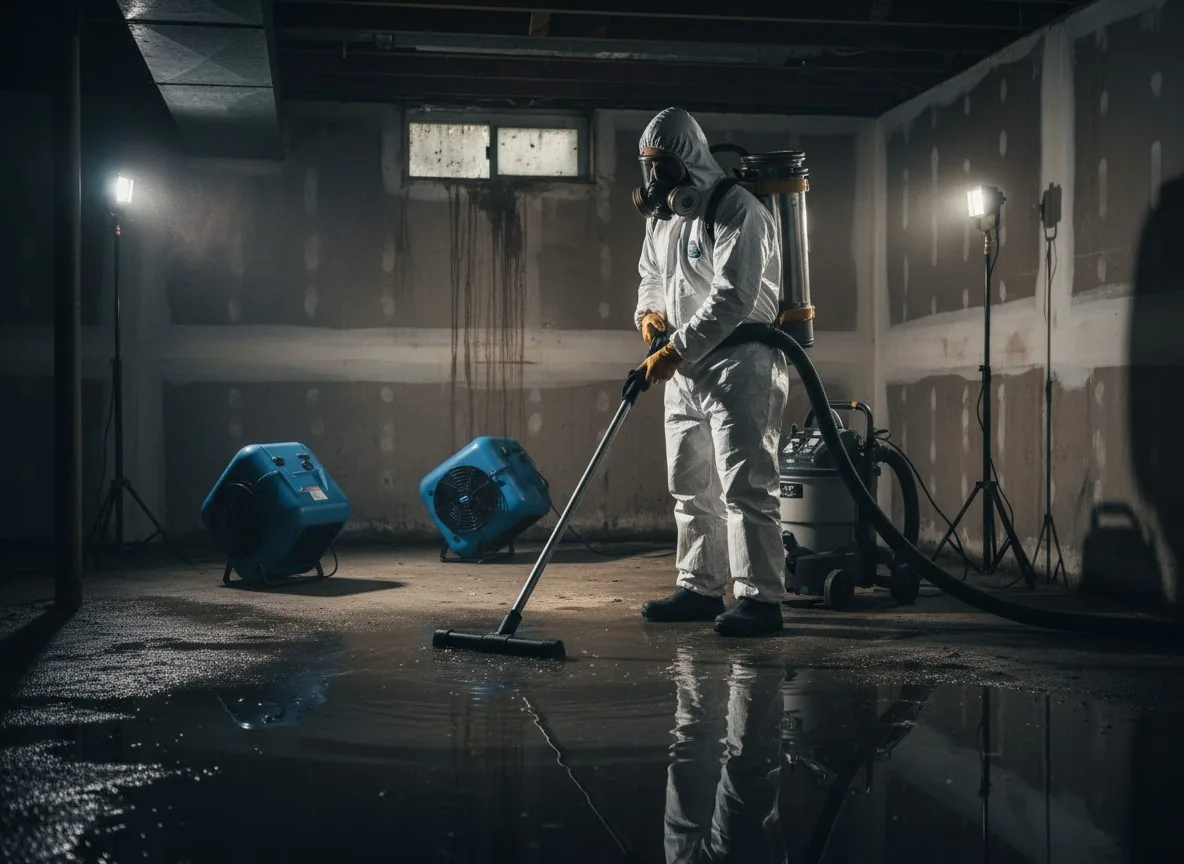
What to Do After a Basement Flood
A flooded basement is stressful — but acting fast makes all the difference. A step-by-step guide for the first 24 hours.
Read the guide →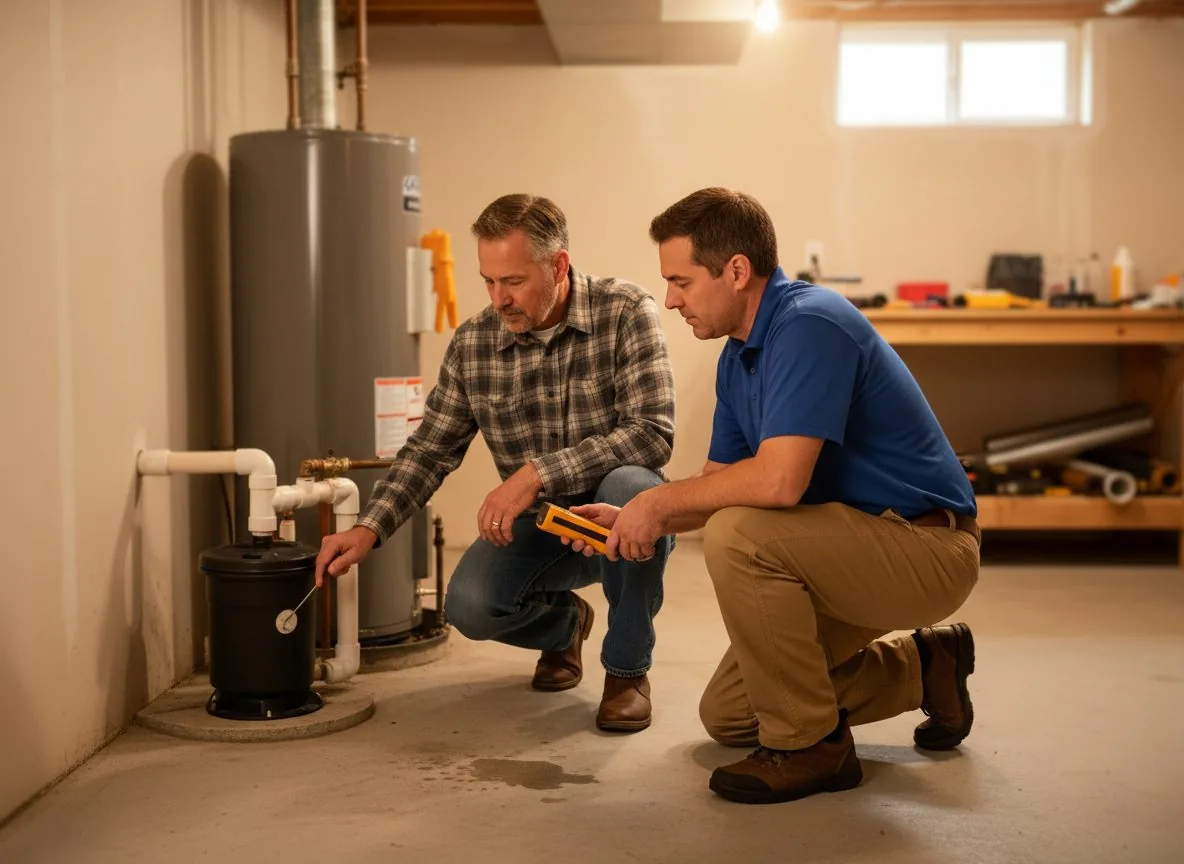 Water Damage
Hidden Water Leak Signs: 11 Clues You Shouldn't Ignore
Hidden leaks can cause mold and structural damage fast. Learn the common signs and what to do next.
Read the guide →