How to Prevent Water Leaks: Water Sensors, Drip Pans, and Knowing Your Water Heater’s Expected Life
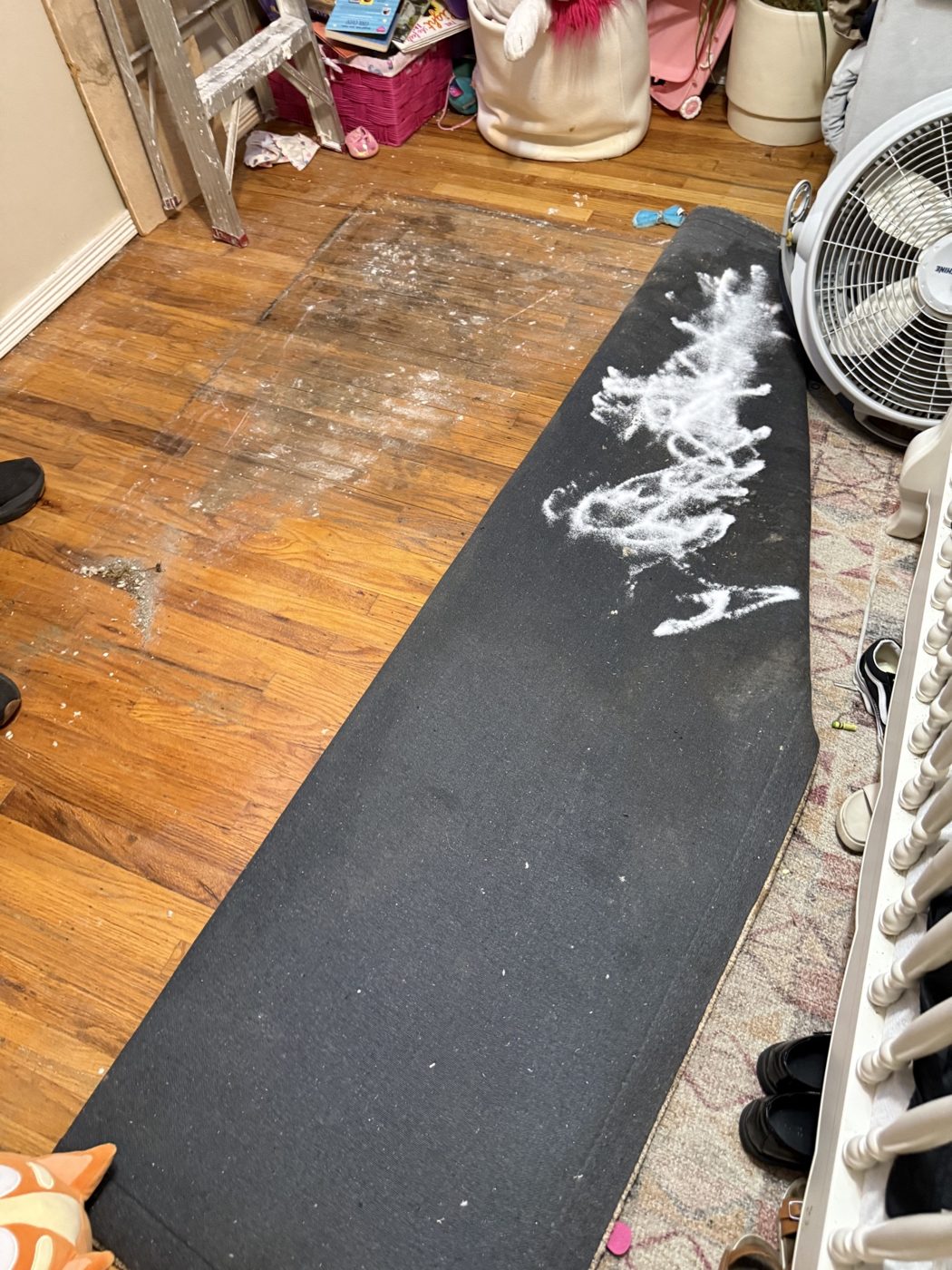
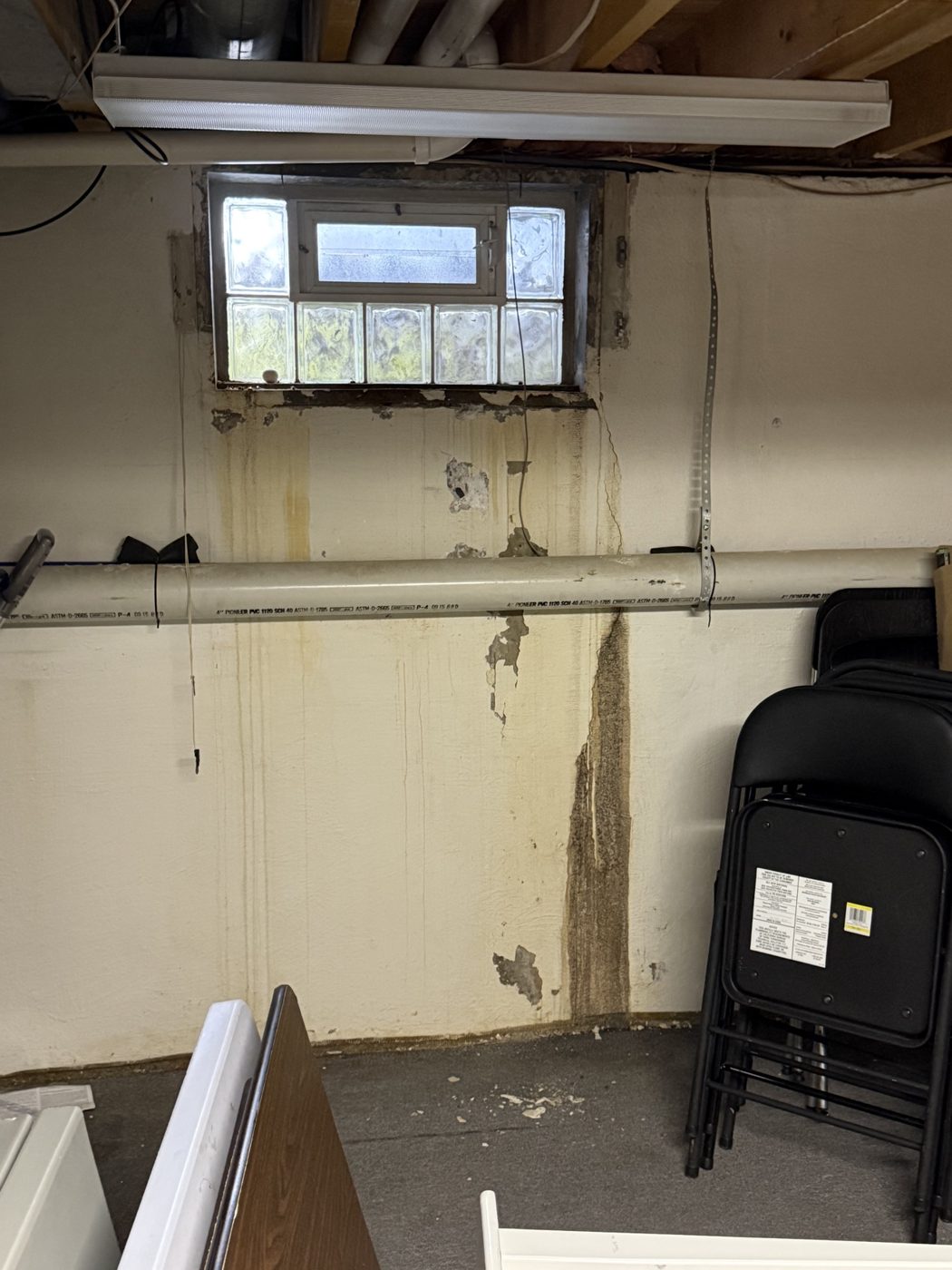
Most water damage does not start with a burst pipe. It starts with a slow drip nobody notices for weeks — behind a washing machine, under a sink, at the base of a water heater — until the floor is soft, the drywall is stained, and mold has moved in. The good news: the leaks that cause the most damage are also the easiest to catch early. Three simple defenses do most of the work.
1. Water Sensors: Your Early Warning System
A water sensor (also called a leak detector) is a small puck or pad that sounds an alarm the moment water touches it. Place them where leaks start:
- Under sinks and behind toilets
- Beside the water heater
- Behind the washing machine and dishwasher
- Near the sump pump and the HVAC condensate line
Basic sensors beep. Smart sensors send an alert straight to your phone — and some connect to an automatic shutoff valve that closes your main water line for you, even when you are not home. That is the difference between a puddle and a flooded first floor. Test your sensors every few months (a wet fingertip on the contacts is enough) and replace the batteries once a year.
2. Drip Pans: Catch It Before It Soaks In
A drip pan under your water heater and washing machine catches slow leaks before they soak into flooring and subfloor — essential when the unit sits on or above a finished floor. A pan only works if the water has somewhere to go, so connect the pan’s drain line to a floor drain or sump pit. Then check your pans once a month: standing water in the pan is your early warning that the appliance is already leaking. It takes ten seconds and can save a ceiling.
3. Know Your Water Heater’s Expected Life
Most water heater floods are not bad luck — they are old age. Tank water heaters last 8–12 years. Tankless units last 15–20 years. When a tank fails, it rarely drips politely; it can dump its full contents, plus everything the supply line keeps feeding it.
Find your heater’s age: the serial number on the rating sticker usually starts with the month and year it was manufactured. If your tank is closing in on 10 years, start planning the replacement on your schedule instead of the heater’s.
Stretch its life: flush a few gallons of sediment out once a year, and have the anode rod checked every 3–5 years — a fresh rod can add years to the tank. And replace on schedule, not on failure. The warning signs are rusty hot water, rumbling or popping sounds, water pooling at the base, and running out of hot water faster than you used to. A planned swap costs a fraction of a flooded basement.
Four More Five-Minute Checks
- Know where your main shutoff valve is — and make sure it actually turns, before the day you need it.
- Swap rubber washing machine hoses for braided steel, and replace them every 5 years.
- Keep house water pressure in the 40–60 psi range — high pressure wears out every pipe, seal, and appliance valve.
- Before winter, insulate exposed pipes and disconnect outdoor hoses.
Want this guide on your fridge?
Download the one-page printable version — the same checklist, ready to keep with your home records.
Frequently Asked Questions
A tank water heater lasts 8–12 years and a tankless unit 15–20 years. The serial number on the rating sticker usually starts with the month and year of manufacture. Flushing sediment once a year and checking the anode rod every 3–5 years helps a tank reach its full life.
Put sensors where leaks start: under sinks, behind toilets, beside the water heater, behind the washing machine and dishwasher, and near the sump pump and HVAC condensate line. Smart sensors send a phone alert, and some connect to an automatic shutoff valve that closes the main water line.
A drip pan under a water heater or washing machine catches slow leaks before they soak flooring and subfloor. Connect the pan’s drain line to a floor drain or sump pit so a real leak has somewhere to go, and check the pan monthly — standing water in it means the appliance is already leaking.
Shut the water off at the fixture valve or the main shutoff, move belongings out of the water, and take photos for documentation. Then call My Water Damage Hero at (610) 228-7440 — catching water damage in the first 24–48 hours makes drying faster and mold far less likely.
Already dealing with water? Our leak detection team finds the source — including moisture hiding inside walls — and our basement water damage crew handles the cleanup and drying. Catching it in the first 24–48 hours makes all the difference.
Dealing with water damage or mold?
Start with a free visual inspection. We’ll walk your property and give you honest, professional recommendations — no pressure, no guesswork.