Industrial Hygienist vs. Mold Inspector: What’s the Difference?
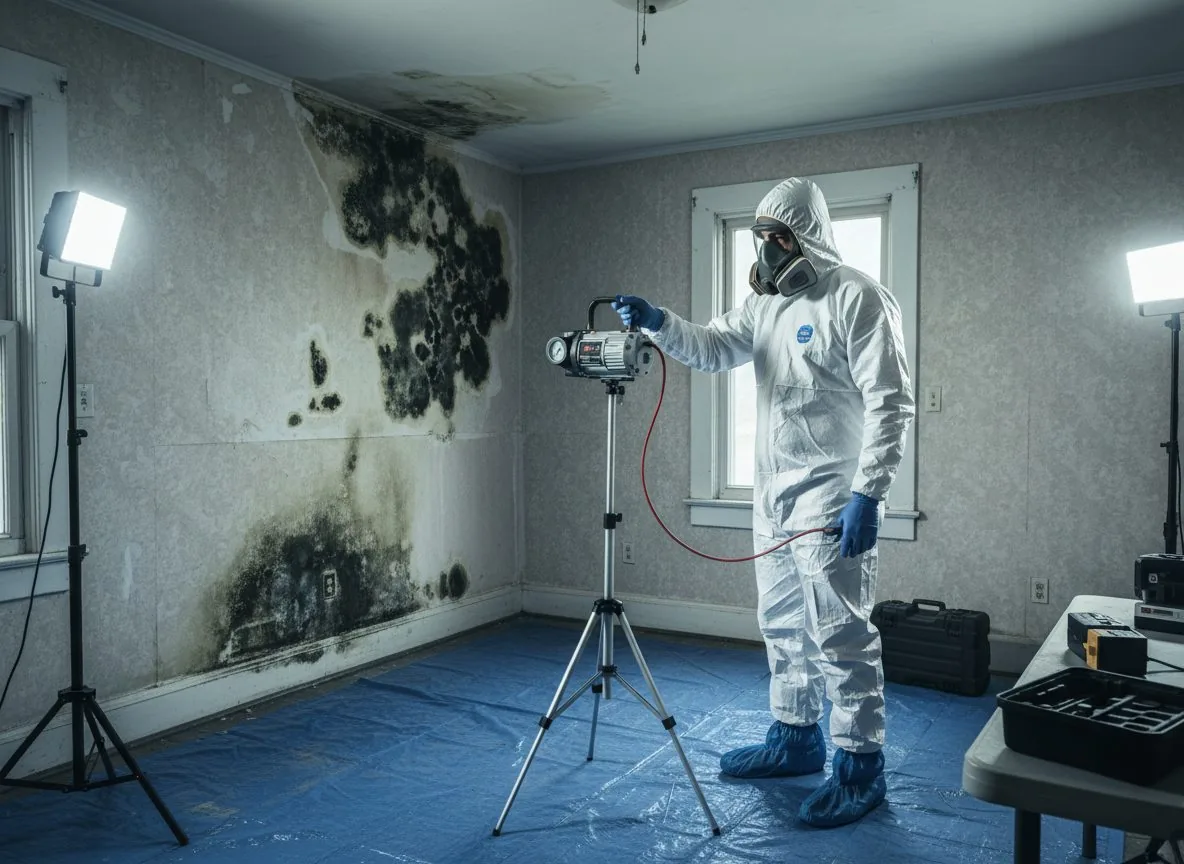
Two titles come up whenever a homeowner starts researching a mold problem, and they are often used as if they meant the same thing: mold inspector and industrial hygienist. They do not. One is a field role built around gathering evidence from a building. The other is a scientific profession built around evaluating what that evidence means for the people breathing the air. This guide defines each role on its own terms — training, scope, and deliverables — so you can tell exactly what you are hiring.
What a Mold Inspector Actually Does
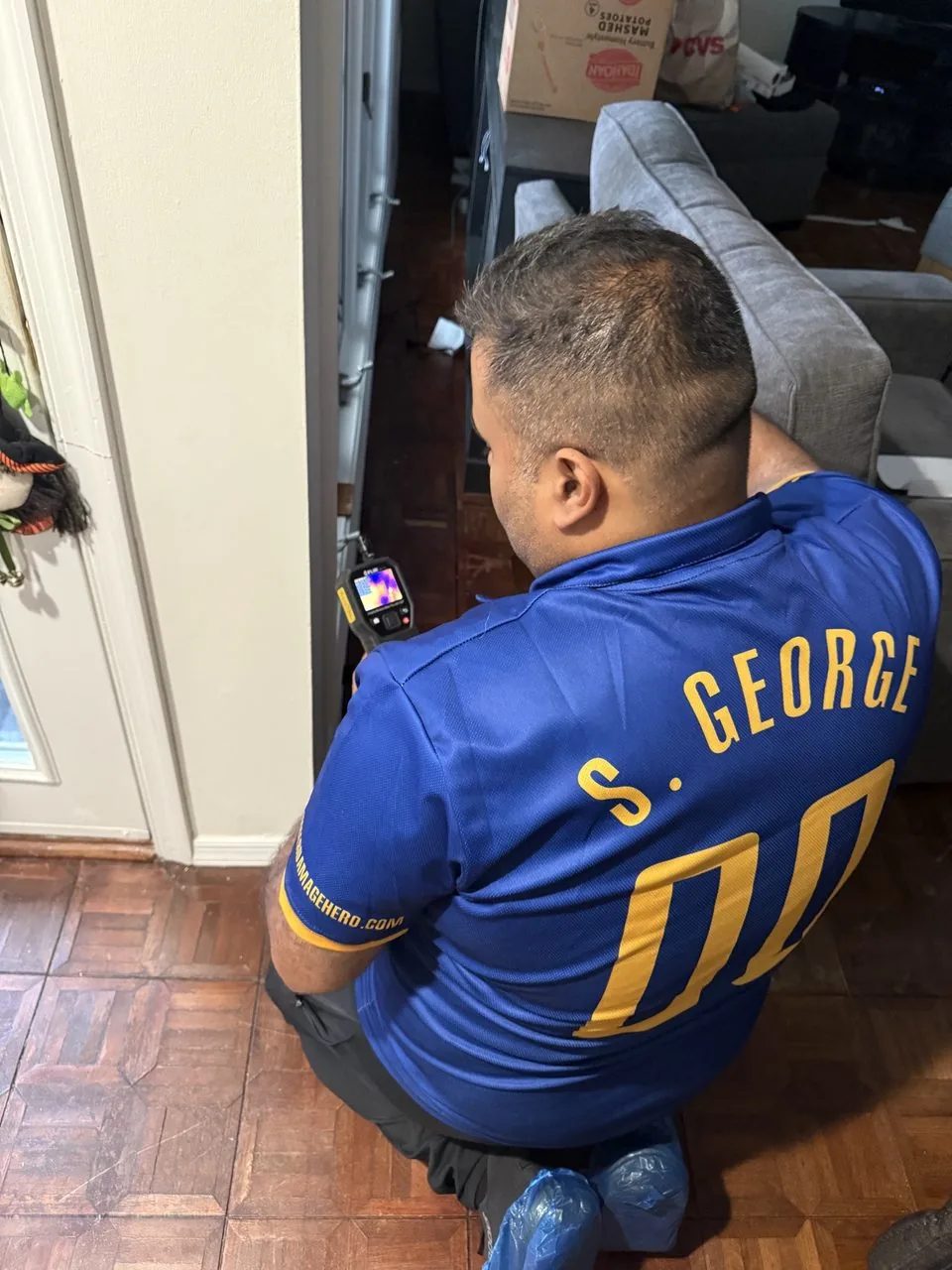
The inspector’s work happens on site, in your home. A typical visit includes a walk-through of the areas you are concerned about, a visual check for growth and water staining, moisture-meter readings on walls and floors, and a set of samples: air cassettes that trap airborne spores, tape lifts or swabs from visible growth. The samples are sealed, documented, and shipped to an accredited laboratory. What comes back to you is the lab’s report — the mold types identified and the counts for each sample.
How much training stands behind that title varies enormously. Some inspectors come out of home inspection or restoration work and know buildings well. Others hold a certificate from a short training course — some run only a few days. Licensing is a state-by-state patchwork, and Pennsylvania does not license mold inspectors, so in this state the title by itself guarantees very little. The role is also narrow by design: find, sample, report. Reading the numbers back to you is often where the service ends.
What an Industrial Hygienist Actually Does
Industrial hygiene is a branch of occupational and environmental health science concerned with how people are exposed to hazards — and mold is only one entry on that list, alongside asbestos, lead, silica dust, chemical vapors, and noise. Hygienists typically hold a bachelor’s or master’s degree in industrial hygiene, occupational health, environmental science, or a related field. The profession’s benchmark credential is the CIH — Certified Industrial Hygienist — administered by ABIH. Earning it requires a relevant degree with specific coursework, at least four years of professional practice, and passing a rigorous examination.
On a mold job, that background changes who makes the decisions. The hygienist designs the sampling strategy before anyone collects anything — which locations, which sample types, how many, and what control samples are needed. When the lab data returns, the hygienist interprets it: indoor results weighed against the outdoor baseline collected the same day, against the building’s moisture history, and against health-based exposure guidance. The written output is not just findings — it is the remediation protocol (the scope and methods the removal crew must follow) and the clearance criteria the finished work will be judged against.
| Mold Inspector | Industrial Hygienist | |
|---|---|---|
| Education | Varies — field experience or a short certification course; no degree requirement. | Bachelor’s or master’s degree in industrial hygiene, occupational health, or a related science. |
| Credentialing | Licensed in a few states; no license in Pennsylvania. Certificates come from private training providers. | CIH (Certified Industrial Hygienist) from ABIH — degree, years of professional practice, and a rigorous exam. |
| Scope of work | One subject: visible mold and moisture conditions in the building. | Exposure assessment across biological, chemical, and physical hazards — mold is one specialty within a broader science. |
| Interprets lab results | Usually relays the lab’s report; interpretation, if offered, is informal. | Yes — reads the data against outdoor baselines, building conditions, and health-based exposure guidance. |
| Writes the remediation protocol | No — the remediation contractor sets its own scope of work. | Yes — removal scope, containment requirements, and clearance criteria are the hygienist’s written work product. |
| Clearance verification | May collect follow-up samples if the homeowner asks. | Defines the pass/fail criteria in advance and performs or directs post-remediation clearance testing against them. |
| Typical engagement | A single visit: inspect, sample, deliver the report. | Assessment through clearance: sampling plan, interpreted report, protocol, and final verification. |
One Basement, Two Routes
Picture a finished basement in a King of Prussia home. A sump pump failure in the spring left water standing for a weekend; two months later the room smells musty, and a dark patch is spreading on the drywall behind the couch. The homeowner wants to know two things: how bad is it, and how will I know it is fixed?
The inspector-only route. A technician walks the room, takes two air samples, and sends them to a lab. A week later a report arrives showing elevated Aspergillus/Penicillium-type spores. From there, the decisions are yours to make — most homeowners hand the report to a remediation company, which then scopes its own job: how much drywall to open, how to contain the work, what counts as done. Because nobody defined a target at the start, nobody can certify the result at the end.
The hygienist route. The assessment opens with moisture mapping, tracing how far the pump water traveled inside the wall cavity — not just where the stain shows. The sampling plan adds a wall-cavity sample and an outdoor control collected the same day. The written report interprets the lab data, indoor levels against that outdoor baseline, and the hygienist issues a protocol: which drywall sections come out, the containment and negative-air setup required, and the numeric clearance criteria the finished job must meet. After remediation, clearance samples are compared with the pre-work results, and the room is released in writing only if it passes.
Same basement, same laboratory — the difference is everything wrapped around the samples: the plan before, the interpretation after, and the verification at the end.
Complementary, Not Interchangeable
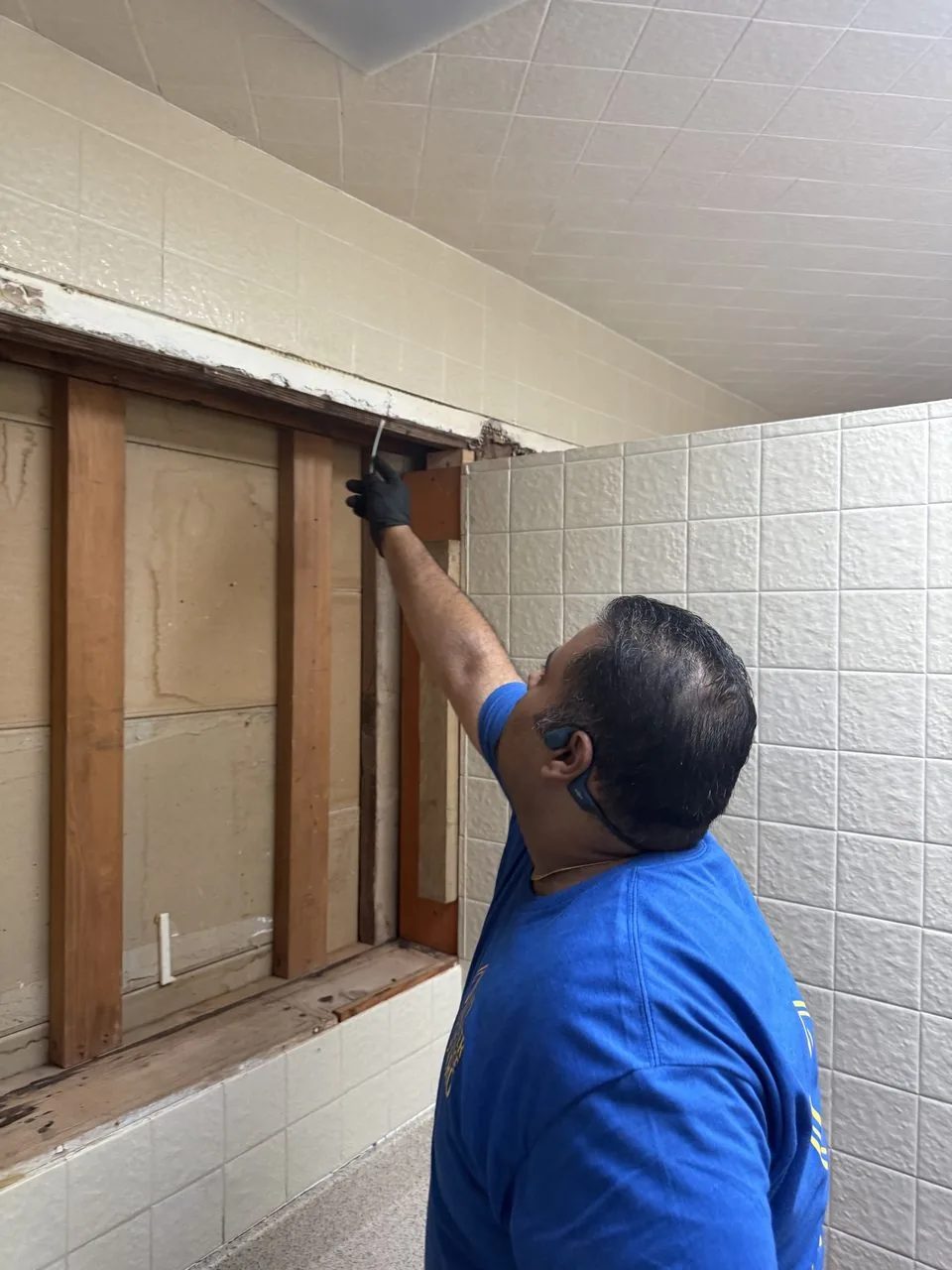
The two roles are not rivals. They cover different steps of the same job: the inspector’s fieldwork generates the data, and the hygienist turns that data into decisions. Plenty of projects get both in a single engagement, because the firm handling the assessment employs both skill sets. The problem is not hiring an inspector — it is hiring inspection alone and believing you have bought the whole assessment.
Red Flags That You Are Getting Only Half an Assessment
- The testing company also sells the cleanup. Their findings determine the size of their own removal job.
- Your “report” is the lab’s raw output. Pages of spore counts with no narrative, no comparison, and no recommendation attached.
- No outdoor sample was taken. Without a control sample collected outdoors the same day, the indoor numbers have no reference point.
- The crew that remediated also “clears” the job. Self-graded work is not verification.
- You are told testing is a waste of money. That advice usually comes from someone selling removal.
How My Water Damage Hero Handles It
My Water Damage Hero has an industrial hygienist on staff, so the science sits inside the assessment from the first visit: the sampling plan, the interpretation, and the clearance standards are set before remediation begins — not negotiated after it ends. A mold assessment includes a written report for $250, with lab samples at $150 each and a minimum of two — one indoor and one outdoor, so every result has its baseline. When we perform the remediation, clearance testing is already included in the remediation cost, and every completed mold job is backed by our 3-year transferable warranty. Our service area covers Montgomery, Chester, Delaware, Bucks & Berks counties plus Philadelphia — and yes, we travel to Delaware. Call (610) 228-7440 or text JESSICA at (610) 708-2193 to schedule.
Frequently Asked Questions
No. A mold inspector is a field role focused on finding mold and collecting samples for a lab. An industrial hygienist is a scientist — typically degree-trained and often CIH-credentialed — who assesses exposure, interprets lab data, and writes the remediation protocol and clearance criteria. The inspector gathers the evidence; the hygienist evaluates it.
No. Pennsylvania does not have a state license for mold inspectors or mold remediators, and requirements differ from state to state. Because the title is unregulated here, ask any assessor about their training, their credentials, and who interprets the lab results before you hire them.
CIH stands for Certified Industrial Hygienist, the credential administered by ABIH (the American Board of Industrial Hygiene). Earning it requires a relevant degree, at least four years of professional industrial hygiene practice, and passing a rigorous examination — it is the benchmark credential in the profession.
At My Water Damage Hero, the assessment and written report are $250, and lab samples are $150 each with a minimum of two — one indoor and one outdoor baseline. Standalone clearance testing is priced the same way — and when we perform the remediation, clearance testing is already included in the remediation cost. Call (610) 228-7440 or text JESSICA at (610) 708-2193 to schedule.
Want the case for choosing the deeper level of assessment? Read why hire an industrial hygienist instead of just a mold inspector. When you are ready to start, mold testing begins with the sampling plan and the written report — and if the results call for removal, mold remediation follows the protocol the assessment provides.
Dealing with water damage or mold?
Start with a free visual inspection. We’ll walk your property and give you honest, professional recommendations — no pressure, no guesswork.