
Why Should You Hire an Industrial Hygienist — Not Just a Mold Inspector?
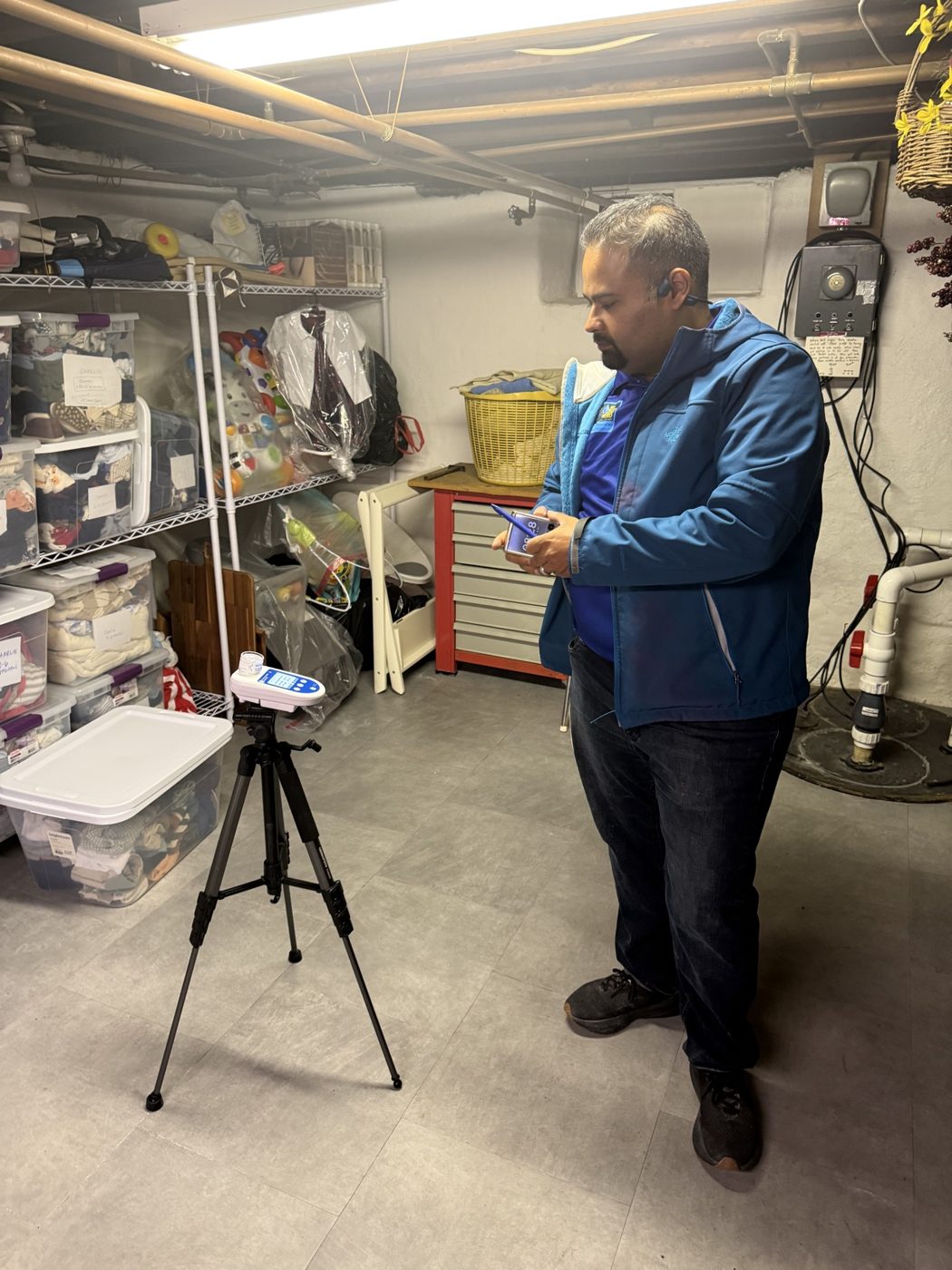
When a homeowner finds mold — or starts wondering whether the musty smell in the basement is something worse — the first call is usually to a mold inspector. That is a reasonable first step. But there is a second, deeper level of assessment that many homeowners never hear about until something goes wrong: the industrial hygienist. The difference between the two is not just a title. It decides whether your remediation is guided by a defensible scientific plan or by guesswork.
What a Mold Inspector Typically Does
A mold inspector performs the visual and sampling pass. In most cases that means a walk-through of the property, moisture readings, a look at the obvious problem areas, and a set of surface or air samples sent off to a lab. You get back a report listing the types of mold found and their levels.
For a simple question — “is this spot on my bathroom ceiling mold?” — that may be all you need. The limitation shows up when the answer has to drive decisions: how much material comes out, how the work area is contained, and how anyone proves the problem is gone afterward. A lab sheet by itself does not answer those questions.
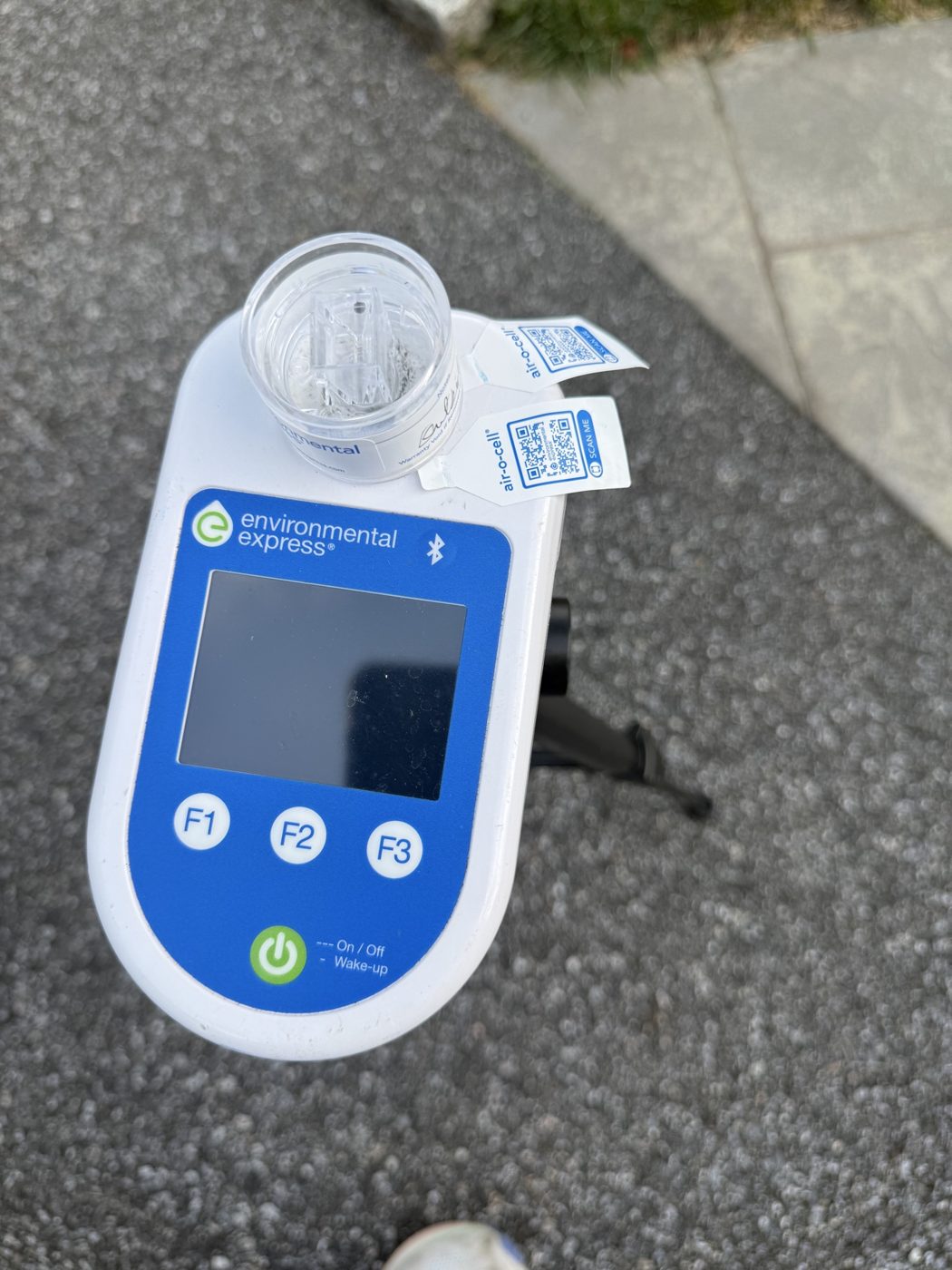
What an Industrial Hygienist Does Differently
An industrial hygienist is a scientist trained in exposure assessment. The discipline is about how contaminants — mold spores, dust, chemicals, fibers — move through air and building materials, how people are exposed to them, and how those exposures measure against health-based standards.
Applied to a mold problem, that training changes the work in three ways. First, the hygienist designs the sampling plan instead of defaulting to it: which rooms, which wall cavities, how many samples, and always an outdoor baseline sample so indoor results have something to be judged against. Second, the hygienist interprets the results in context — a spore count only means something compared with outdoor levels, the building’s history, and where the moisture source is. Third, the hygienist’s assessment becomes the written remediation protocol: the document that tells the remediation crew exactly what gets removed, what containment and negative air are required, and what protective equipment the job calls for.
| Mold Inspector | Industrial Hygienist | |
|---|---|---|
| Training & focus | Inspection and sample collection. | A scientist trained in exposure assessment — how contaminants move through air and materials and how exposure is measured. |
| What you receive | A lab report: mold types and levels found. | An interpreted assessment: what the results mean against outdoor baselines and exposure standards, and what should happen next. |
| Sampling plan | Typically a standard set of samples in the visibly affected area. | A designed plan — locations, sample count, and indoor/outdoor comparison chosen for your building and your question. |
| Remediation protocol | Usually not included; the remediation company decides its own scope. | Writes the protocol the remediation crew follows: removal scope, containment, negative air, and PPE. |
| Clearance | May re-sample on request. | Post-remediation clearance testing is built into the process — the job is verified against the baseline before it is called done. |
Why the Difference Matters
The protocol protects you
Remediation done without a protocol is remediation done on opinion. One crew might remove a single sheet of drywall; another might gut the room. A written protocol, built from interpreted lab results, sets the scope before work starts — so you are not paying for removal nobody justified, and nothing contaminated gets left behind because nobody looked.
Independence avoids conflicts of interest
Ask a simple question: is the person testing paid more if they find more? When assessment and remediation sit with parties who profit from the size of the removal job, the incentive points the wrong way — and the same problem returns at the end of the job, when the crew that did the work is effectively grading its own homework. Independent testing and clearance, driven by lab data rather than by the job ticket, keep both ends honest.
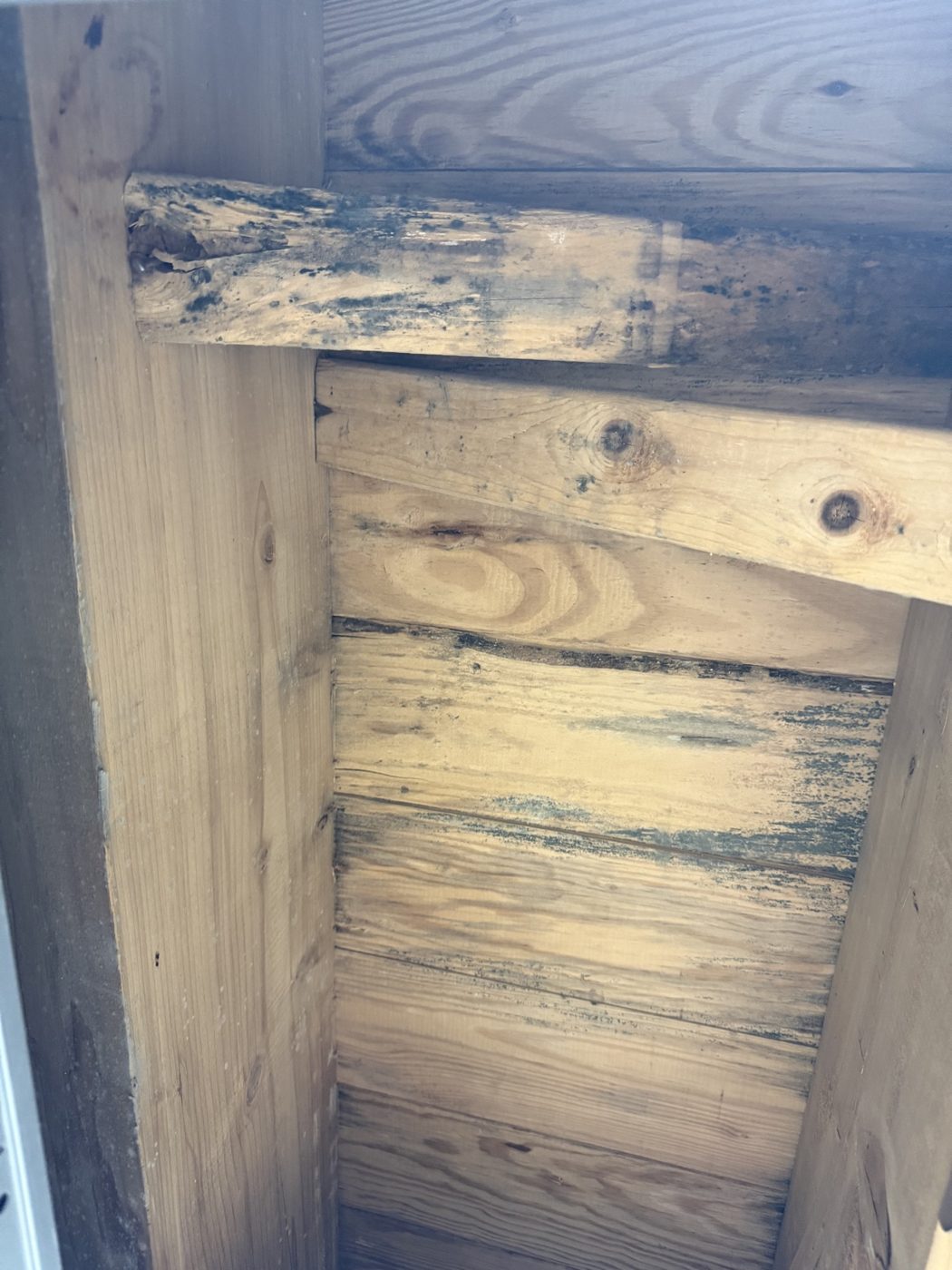
Lab results need interpretation, not just a lab sheet
Every home has some mold spores in its air — they drift in from outdoors. A raw lab report cannot tell you whether your indoor levels are abnormal. That judgment requires the outdoor baseline, the ratio between indoor and outdoor counts, the species found, and the moisture story of the building. Interpretation is the product. The lab sheet is just the input.
Clearance testing proves the job worked
Post-remediation clearance testing compares new samples against the pre-remediation baseline. It is the difference between “the crew says it looks clean” and documented evidence that spore levels are back in line before walls are closed and your family moves back into the space.
When Each Is Enough
A basic inspection is usually enough when the problem is small, visible, and explained: a patch of growth on a bathroom ceiling from a known exhaust-fan issue, a spot under a sink caught the week the pipe leaked, no symptoms in the house, and no transaction riding on the outcome.
Step up to a hygienist-level assessment when the stakes rise:
- Recurring or unexplained symptoms — the musty smell or the headaches keep coming back and nobody has connected them to a source.
- Large or hidden growth — contamination suspected inside wall cavities, HVAC systems, or across multiple rooms.
- Real-estate transactions — buyers, sellers, and lenders need documentation that will hold up, not a verbal opinion.
- Insurance or legal documentation — claims and disputes run on written protocols and interpreted lab results.
- A remediation that already failed once — if the mold came back, the first assessment missed something.
Questions to Ask Any Mold Assessor
- Who interprets the lab results — you, or do I just get the lab’s raw report?
- Do you write a remediation protocol the crew is required to follow?
- Are you independent of the remediation crew that profits from the removal work?
- Is post-remediation clearance testing included, and is it compared against a pre-remediation baseline?
If the answers are vague, you are looking at sample collection, not an assessment.
The Bottom Line
A mold inspector tells you what a lab found. An industrial hygienist tells you what it means, what to do about it, and whether it worked. For a small, obvious patch, the first may be plenty. For anything touching your family’s health, a home sale, or an insurance claim, hire the level of assessment the stakes deserve.
At My Water Damage Hero, our mold assessment starts with a written report for $250 and lab samples at $150 each — a minimum of two, one indoor and one outdoor, so your results are always read against a baseline. When we perform the remediation, post-remediation clearance testing is already included in the remediation cost, and every completed mold job is backed by our 3-year transferable warranty. We serve Montgomery, Chester, Delaware, Bucks & Berks counties and Philadelphia, and we travel to Delaware. Call (610) 228-7440 or text JESSICA at (610) 708-2193 to schedule your assessment.
Frequently Asked Questions
A mold inspector typically performs a visual check and collects surface or air samples for a lab. An industrial hygienist is a scientist trained in exposure assessment — how contaminants move through air and building materials, how results compare to health-based exposure standards and outdoor baselines, and how to design a sampling plan and remediation protocol that hold up for insurance, real estate, and legal documentation.
If the same party that tests also profits from the remediation, there is a built-in conflict of interest — an incentive to find more work, or later to pass their own work. Independent assessment and post-remediation clearance testing mean the results are driven by the lab data, not by the size of the removal job.
Clearance testing is a second round of sampling performed after remediation is complete. The post-remediation results are compared against the pre-remediation baseline and outdoor levels to verify the contamination was actually removed before walls are closed up and the space is reoccupied.
At My Water Damage Hero, a mold assessment with a written report is $250, and lab samples are $150 each with a minimum of two — one indoor and one outdoor baseline. Standalone clearance testing is priced the same way — and when we perform the remediation, clearance testing is already included in the remediation cost. Call (610) 228-7440 or text JESSICA at (610) 708-2193 to schedule.
Not sure which level of assessment your home needs? Start with mold testing in Pottstown and a written assessment — and if the results call for removal, mold remediation follows the protocol the testing provides. See also our guide to mold testing vs. remediation.
Dealing with water damage or mold?
Start with a free visual inspection. We’ll walk your property and give you honest, professional recommendations — no pressure, no guesswork.