We Pre-Test and Post-Test Every Mold Job — Scientific Proof of Clearance, Backed by a 3-Year Warranty
Plenty of mold jobs end the same way: the crew packs up, someone walks the room, and the homeowner hears “looks clean to me.” At My Water Damage Hero, that sentence is never the finish line. Every mold job we run is tested twice — once before remediation begins and once after it ends — because the only honest way to say a space is clear is to prove it with lab results.
This is not a special add-on or something we do when a customer asks. It is the standard sequence on every mold job, and it is the reason we can stand behind our work with a 3-year transferable warranty. Here is how the two rounds of testing work, and why each one matters.
Step One: Pre-Testing Sets the Baseline
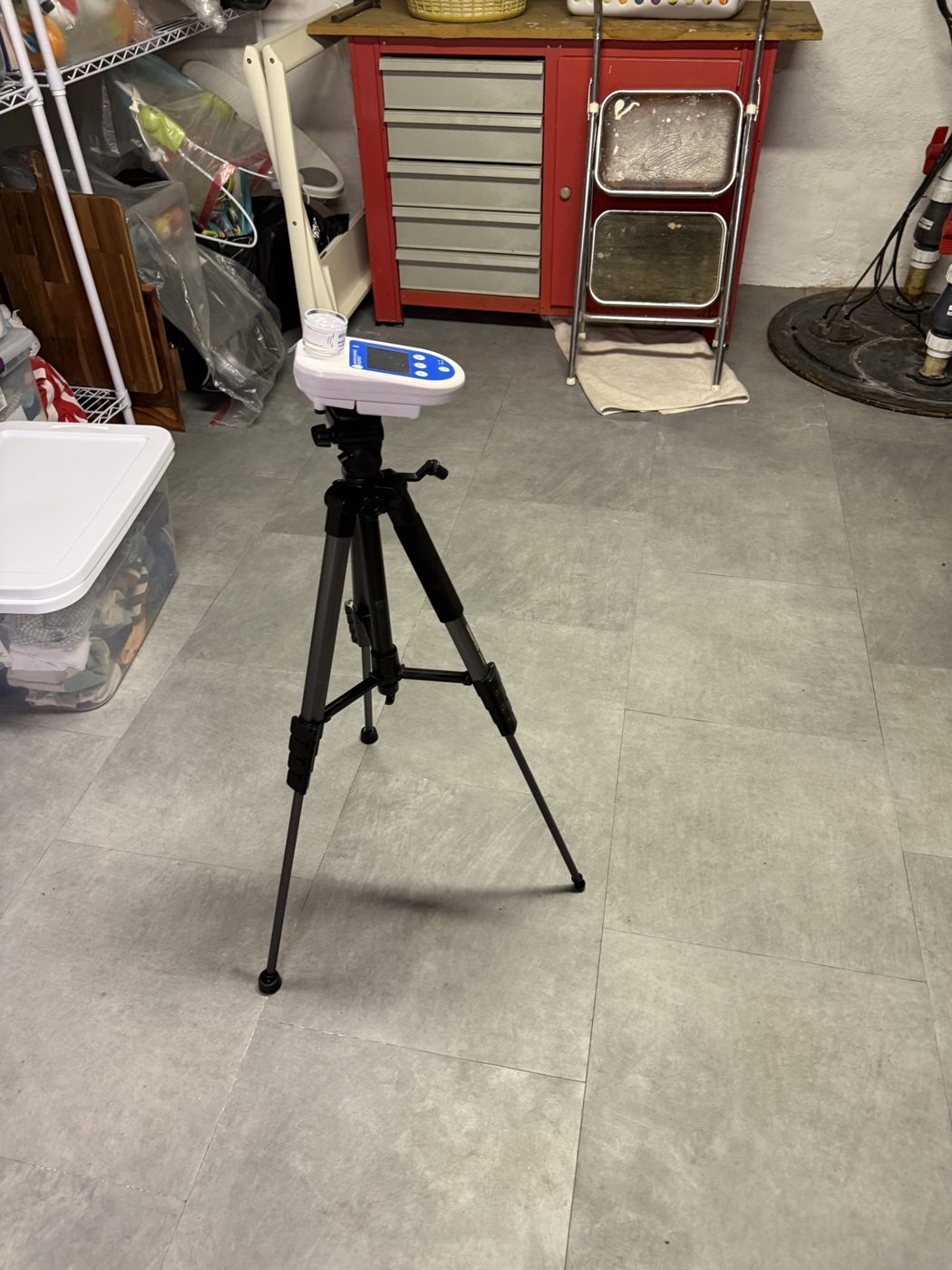
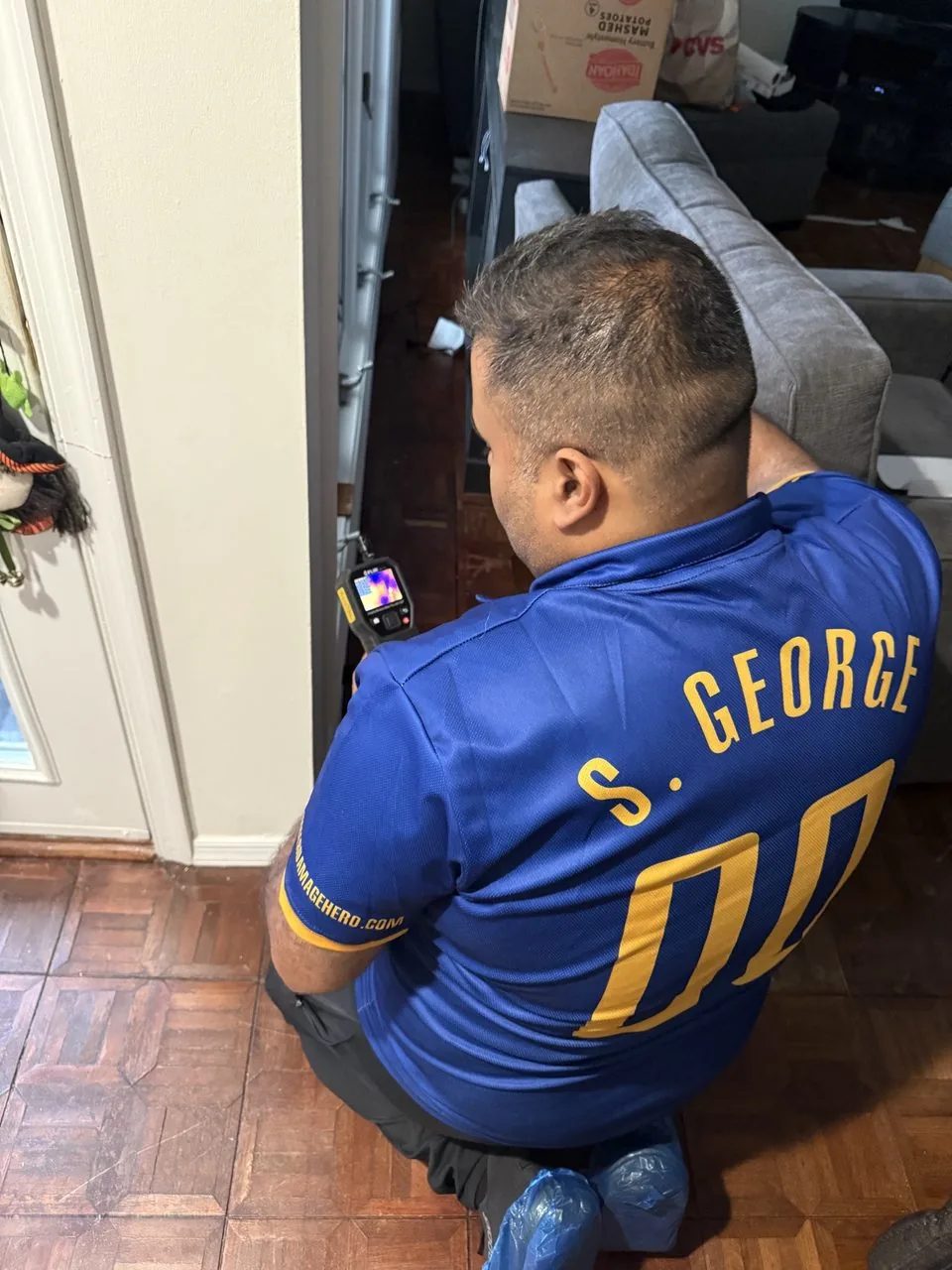
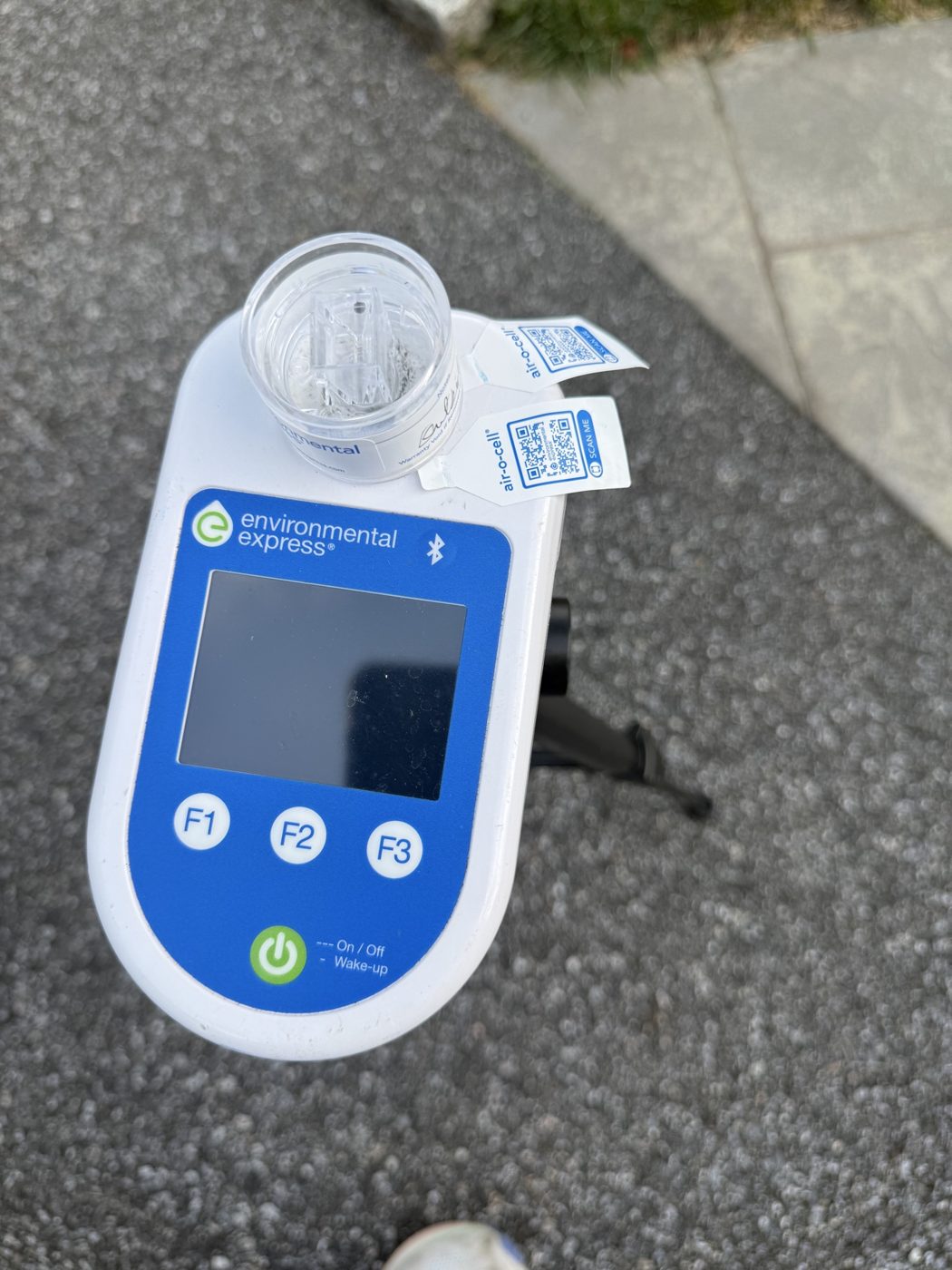
Before a single sheet of drywall comes out, we test. Air samples are collected in the affected areas, surface samples are taken where the situation calls for them, and — critically — an outdoor control sample is collected the same day. Mold spores exist in every breath of outdoor air, so an indoor number means nothing until it is compared against what is outside your door that day.
That pre-test gives us the baseline: which species are present, how concentrated they are indoors versus outdoors, and how far the problem reaches beyond the stain you can see. Three things depend on it:
- The protocol. The baseline drives the written remediation plan — what gets removed, how the area is contained, and what the crew is working toward. Nobody guesses at scope.
- The target. Clearance at the end of the job is measured against this baseline. Without a “before” number, a “after” number proves nothing.
- The paper trail. Dated, lab-backed results document the condition of your home before work started — exactly the kind of record insurance claims and real-estate transactions run on.
Step Two: Remediation Follows the Protocol
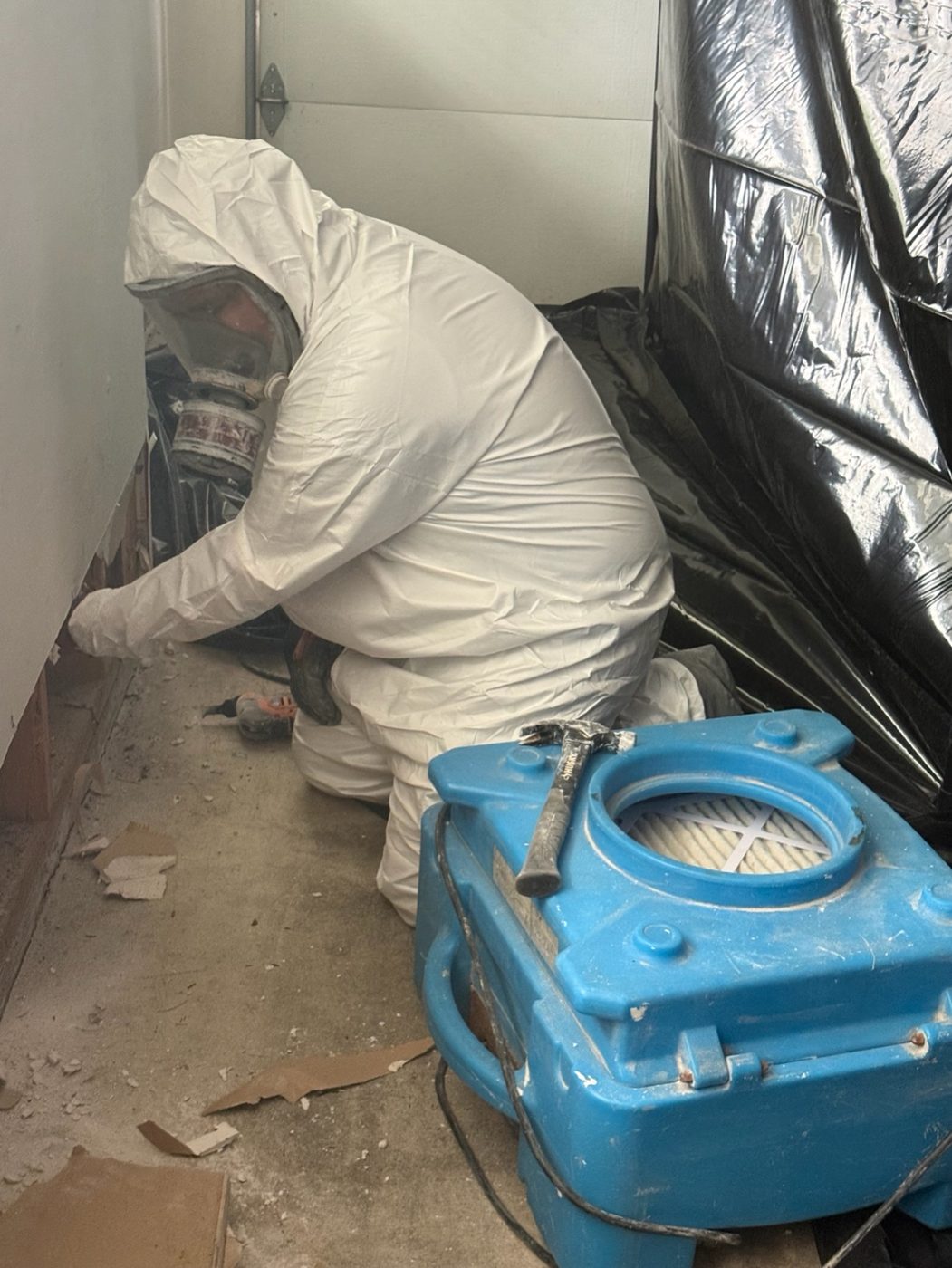
With the baseline documented, the remediation crew works to the protocol the testing produced: containment goes up, negative air runs, contaminated material comes out, and surfaces are cleaned and treated. The crew is not deciding the scope as they go — the scope was set by the lab results before they arrived. That keeps the job honest in both directions: nothing contaminated is left behind because nobody sampled there, and nothing sound is torn out because nobody justified it.
Step Three: Post-Testing Proves Clearance
When the remediation and cleaning are finished, we test again — a fresh round of samples, collected the same way and sent to the lab, including a new outdoor control. This is the clearance test, and it is where the job is actually decided.
Clearance means the indoor results have come back in line with outdoor background levels and well below the pre-remediation baseline. The species that were elevated are no longer elevated. The air your family will breathe tests the way ordinary air tests. That is not an opinion, a sniff test, or a flashlight inspection — it is laboratory evidence, in writing, that the contamination was removed.
And if the numbers do not clear? Then the job is not done. The area is re-cleaned and re-tested until the lab says it passes. A company that post-tests every job has nowhere to hide from its own results — which is precisely the point.
Why Testing Is What Makes the Warranty Real
Any company can print the word “warranty” on a proposal. The question is what stands behind it. Our completed mold jobs are backed by a 3-year transferable mold warranty — and the reason we can offer it is that clearance on our jobs is not a promise. It is a lab result.
The warranty is also transferable: if you sell your home, it passes to the new owner, along with the before-and-after documentation showing the problem was measured, removed, and verified. A buyer does not have to take anyone’s word that the mold issue was handled. The paperwork proves it.
Two things make this standard possible. My Water Damage Hero has an industrial hygienist on staff, so our testing follows an assess-before-and-after discipline rather than a test-only-when-asked one. And the sequence never changes with the size of the job — a single bathroom and a whole basement get the same pre-test, protocol, and clearance test.
What the Testing Costs
Our pricing on testing is published and simple:
- Standalone mold assessment: a written report is $250, and lab samples are $150 each — a minimum of two, one indoor and one outdoor, so every result is read against a baseline.
- When we do the remediation: post-remediation clearance testing is already included in the remediation cost. You do not pay extra at the end to find out whether the job worked — proving it is part of the job.
- Clearance for someone else’s work: if another company remediated and you want independent verification, clearance testing is priced the same way as an assessment.
Prefer to have your own outside tester verify our work instead? We welcome that too — read why we welcome independent mold testing. A company confident in its clearance numbers does not fear a second set of samples.
The Bottom Line
Pre-testing tells everyone the truth about the problem. Post-testing tells everyone the truth about the result. Skipping either one turns mold remediation into a matter of trust — and trust is not a lab report. We serve Montgomery, Chester, Delaware, Bucks & Berks counties and Philadelphia, and we travel to Delaware. Call (610) 228-7440 or text JESSICA at (610) 708-2193 to start with a baseline.
Frequently Asked Questions
Pre-testing establishes the baseline — which mold species are present, how concentrated they are indoors compared with the outdoor control sample, and how far the problem extends beyond what is visible. That baseline drives the written remediation protocol and creates dated, lab-backed documentation for insurance. Without it, there is nothing objective to measure the finished job against.
After remediation, we collect a new round of samples the same way as the pre-test and send them to the lab. Clearance means the indoor results have come back in line with outdoor background levels and well below the pre-remediation baseline — laboratory evidence that the contamination was removed, not a visual opinion that the space looks clean.
Yes. When My Water Damage Hero performs the remediation, post-remediation clearance testing is already included in the remediation cost. A standalone mold assessment is a $250 written report plus $150 per lab sample, with a minimum of two samples — one indoor and one outdoor. Call (610) 228-7440 or text JESSICA at (610) 708-2193 to schedule.
Because clearance is proven by lab results rather than promised, completed mold jobs are backed by a 3-year transferable mold warranty. If you sell the home, the warranty transfers to the new owner — along with the documented before-and-after lab results that show the problem was actually solved.
Want proof, not promises? Start with mold testing in Pottstown — baseline first — then, if the results call for it, mold remediation under a written protocol with clearance testing at the end. Related reading: why hire an industrial hygienist instead of just a mold inspector, why we welcome independent testing, and mold testing vs. remediation.
Dealing with water damage or mold?
Start with a free visual inspection. We’ll walk your property and give you honest, professional recommendations — no pressure, no guesswork.