
Toilet Overflowing or Leaking at the Base? What to Do Before It Ruins the Floor

Quick Answer
What should you do when a toilet overflows or leaks at the base?
Turn the supply valve behind the toilet off and do not flush again. Keep people and pets out of the water, mop up what you safely can, and check the ceiling and floor in the room below. Water at the base usually means a failed wax ring — and every flush pushes more water under the floor where you cannot see it. Fix the cause, then make sure the floor structure is actually dry.
Holiday weekends are when we get these calls: a house full of guests, one bathroom working overtime, and suddenly water is coming over the bowl — or quietly spreading from under the base. A toilet problem feels small next to a burst pipe, but it damages homes out of proportion to its size, because the water goes exactly where you cannot see it: under tile and vinyl, into the subfloor, and down into the ceiling below. Here is the calm order to handle it in, from our crews in Pottstown, Phoenixville, King of Prussia, and across Southeastern Pennsylvania. If what came up is sewage rather than clean water, start with our guide to a sewage backup and what to do first instead.
Stop the Water and Contain It: A Pro Checklist
- 1. Shut off the supply valve. It is on the wall or floor behind the toilet. Turn it clockwise until the water stops. If it is stuck or missing, lift the float in the tank to stop filling, then shut off the home's main valve.
- 2. Do not flush again to test it. A second flush on a clog or a failed seal just adds gallons. Test only after the cause is fixed.
- 3. Keep people and pets out of the water. Treat any water that backed up from the drain as contaminated. Tank water from a simple clog is lower risk, but wash hands after contact either way.
- 4. Mop and block. Old towels around the base keep water from reaching doorways and floor edges. Move anything stored on the bathroom floor, and check inside a vanity cabinet for hidden spread.
- 5. Check the room below. Look at the ceiling and walls directly underneath for new stains, bubbling paint, or drips. Overflow water finds floor penetrations and travels down within minutes.
- 6. Find where the water is coming from. Dry the outside of the toilet, then watch: water appearing at the base after a flush points to the wax ring; water running down the tank or bowl points to a crack or a fitting; a supply line leak shows even without flushing.
Safety Do's and Don'ts
- Do turn off the supply valve first, before reaching for towels or a plunger.
- Do check the ceiling below and the floor around the base for softness or a musty smell over the next few days.
- Don't keep flushing a toilet that rocks on its base or leaks underneath — a failed wax ring sends water under the floor with every flush.
- Don't use chemical drain cleaners in an overflowing toilet; they splash, damage finishes, and make later professional work hazardous.
- Don't assume tile or vinyl means you are safe. Water passes through grout lines and seams and soaks the subfloor beneath — the stage where our water damage restoration and mold testing teams usually get called in.
Frequently Asked Questions
Stop the water first. Turn the supply valve behind the toilet clockwise until it stops, or lift the float inside the tank if the valve is stuck. Do not flush again. Then keep people and pets out of the water — an overflow can carry bacteria, especially if the water came up from the drain rather than the tank. Mop up what you safely can with old towels, and check the ceiling and floor in the room directly below, because overflow water travels down fast.
Water pooling around the base usually means the wax ring seal between the toilet and the floor flange has failed, the mounting bolts have loosened, or the flange itself is damaged. It can also come from a cracked tank or a leaking supply line running down the porcelain, so dry the outside of the toilet and watch where the water first appears. A failed wax ring is the serious one: every flush pushes water under the flooring where you cannot see it.
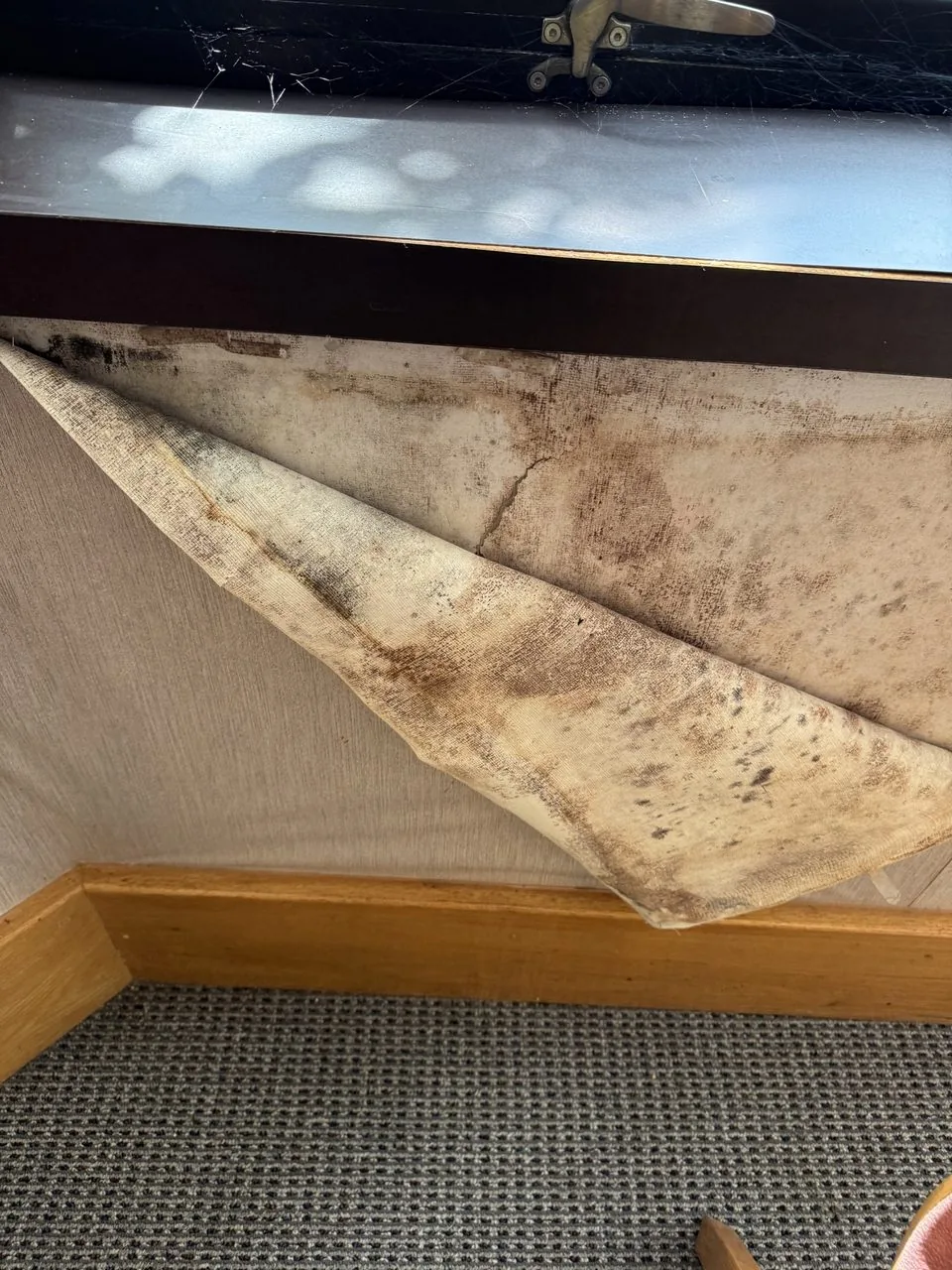
Yes — and it is often worse than it looks. Water from a slow base leak soaks the subfloor, softens particle board and plywood, warps finished flooring, and stains the ceiling below. Because the leak is hidden, it can run for weeks before the floor feels spongy or a stain appears downstairs. That trapped moisture is also a mold risk: growth can start within days in a warm bathroom floor cavity. If the floor around the toilet feels soft, rocks, or smells musty, get it checked promptly.
It can be. Clean tank water from a simple clog is low risk, but water that backs up from the sewer or drain line should be treated as contaminated — the same caution as our sewage backup guidance. Keep children and pets away, wash hands after any contact, do not use towels you will reuse on skin, and avoid running fans that blow across contaminated water. If sewage came up, or the water reached carpets, padding, or drywall, professional cleanup is the safe call.
A plumber fixes the cause: the clog, the wax ring, the valve, or the supply line. A water damage company handles what the water did: extracting standing water, drying the floor structure and wall cavities, checking for hidden moisture with meters, and treating for mold risk. Many toilet leaks need both, in that order — stop and fix the source first, then dry and verify. If water spread beyond the bathroom tile, reached a ceiling below, or sat for more than a day, have the drying checked even if the surface looks dry.
Water under the floor, a stain on the ceiling below, or a floor that feels soft?
My Water Damage Hero is a local, family-owned company based in Pottstown, PA. We offer free visual inspections, work with insurance companies, have an industrial hygienist on staff, and respond 24/7 across Montgomery, Chester, Delaware, Bucks, Berks, Philadelphia, Lehigh, Lancaster & Monroe County, PA.
Keep reading
 Water Damage
Thanksgiving Kitchen Overload: Prevent a Drain Backup, Dishwasher Leak, and Water Damage
Holiday cooking and a house full of guests test every drain in the house. The prevention checklist.
Read the guide →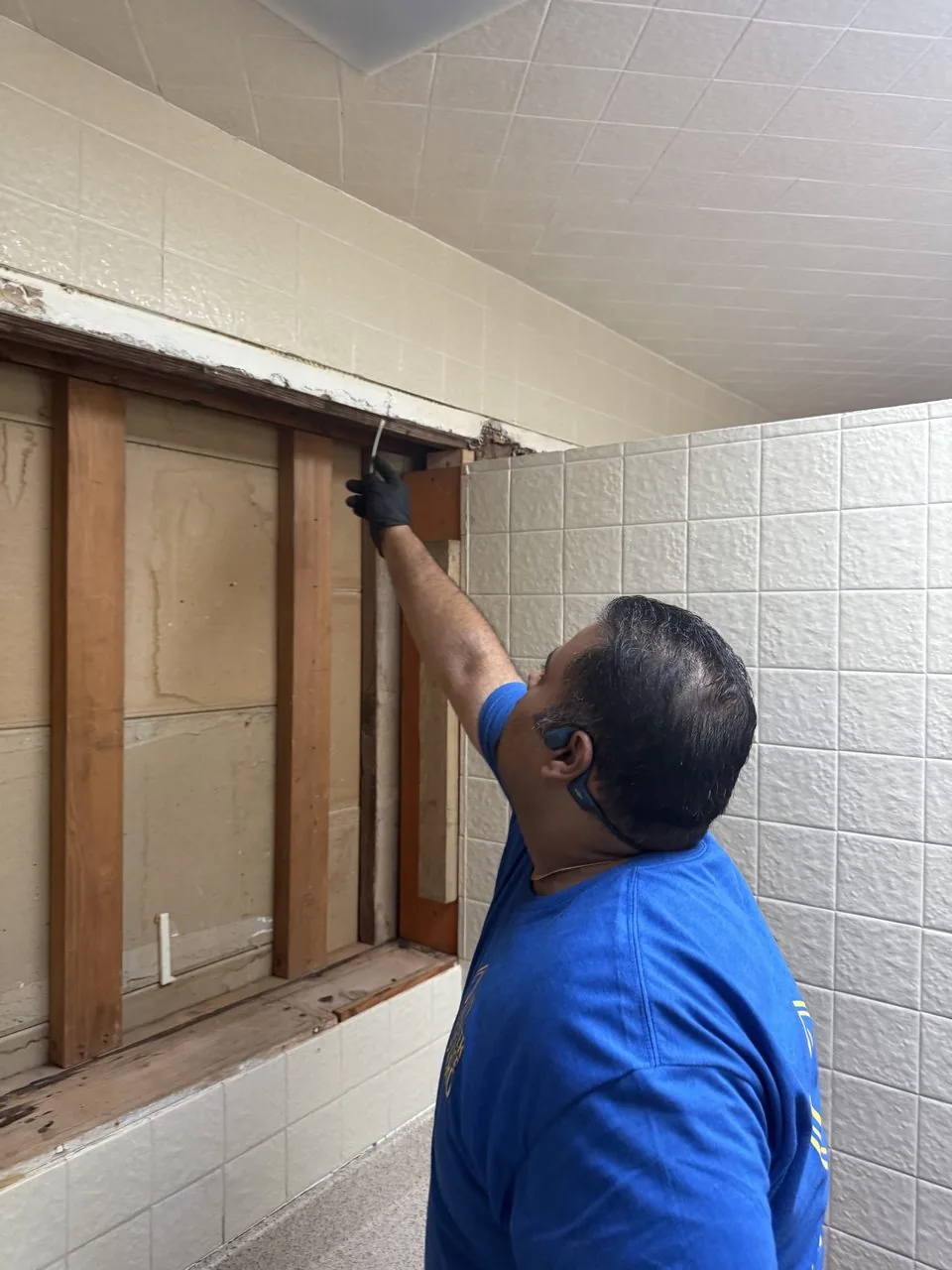 Water Damage
Sewage Backup in Your Basement? Here's What to Do First
If the water came up from the drain, treat it as contaminated. The safe first steps, in order.
Read the guide →