Stop Water Before It Starts
We meet most waterproofing customers after their second or third flood — when mopping, drying, and hoping has stopped working. Water follows physics: it presses against your foundation, finds the cracks and joints, and comes through. A proper waterproofing system manages that water with interior drainage, a dependable sump pump, sealed cracks, and moisture barriers, chosen based on how water is actually entering your basement. We inspect first and recommend only what your home needs.
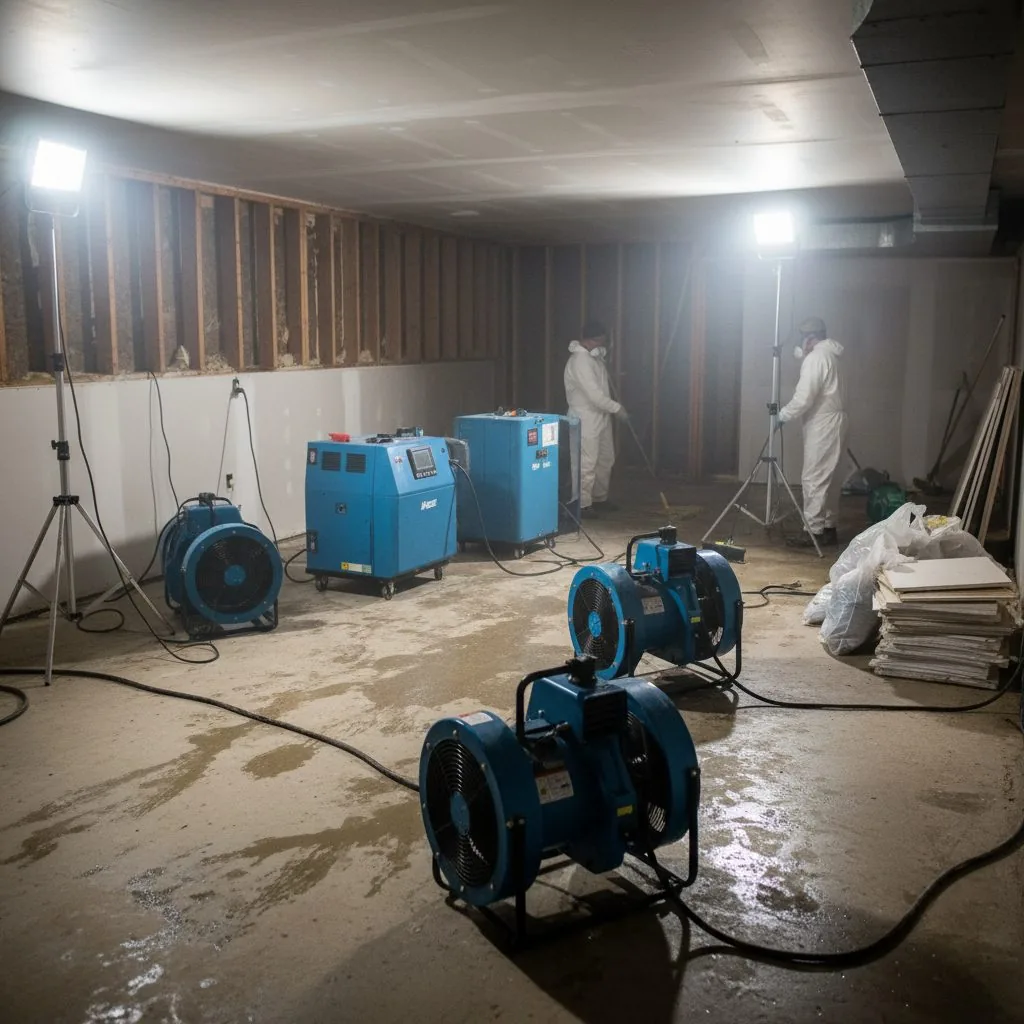
Our Basement Waterproofing Process
Waterproofing Inspection
We inspect the basement inside and out to identify every entry point — floor-wall joints, foundation cracks, window wells, and plumbing penetrations — and check grading and drainage outside.
Written Plan & Estimate
You get a clear plan describing the system we recommend for your home and why, with pricing before any work begins. No one-size-fits-all packages.
Interior Drainage Installation
Where groundwater is the problem, an interior drainage channel along the foundation footing collects water before it surfaces and routes it to the sump basin.
Sump Pump Installation
A properly sized sump pump — with battery backup options for storm outages — discharges collected water safely away from the foundation.
Crack Sealing & Moisture Barriers
Foundation cracks are sealed, and vapor barriers are installed where walls or crawlspace floors transmit moisture into the space.
Final Check & Cleanup
We test the system, walk you through how it works and what to watch for, and leave the basement clean. If past water damage remains, our team can handle the cleanup and restoration too.
Ready for a Dry Basement?
Start with a free visual inspection. Call My Water Damage Hero at (610) 228-7440 — we will find out how water is getting into your basement and tell you honestly what it takes to stop it.