Chain of Custody: How Your Samples Reach an Independent Certified Lab — and How Fast You Get Answers
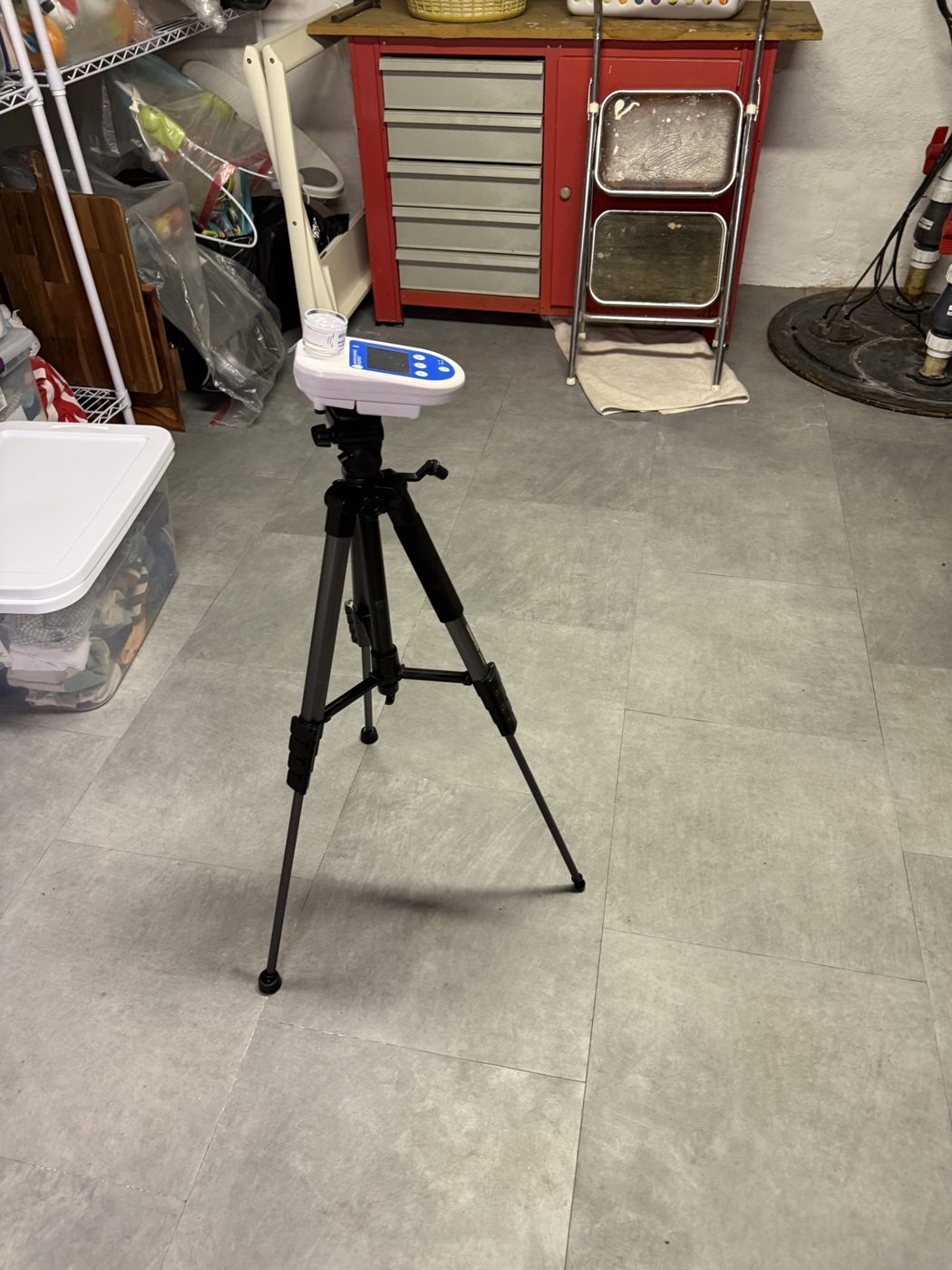
A mold test is only as trustworthy as what happens to the sample after it is collected. An air cassette or a tape lift takes a few minutes to gather. But between your basement wall and the analyst’s microscope, that sample changes hands, rides in a vehicle, gets checked in, and waits its turn. If nobody can prove exactly where it was and who had it at every step, the result printed on the lab report is just a number attached to a story no one can verify. That is why we run every sample — mold, lead, and asbestos — under a strict chain of custody.
What “Chain of Custody” Actually Means
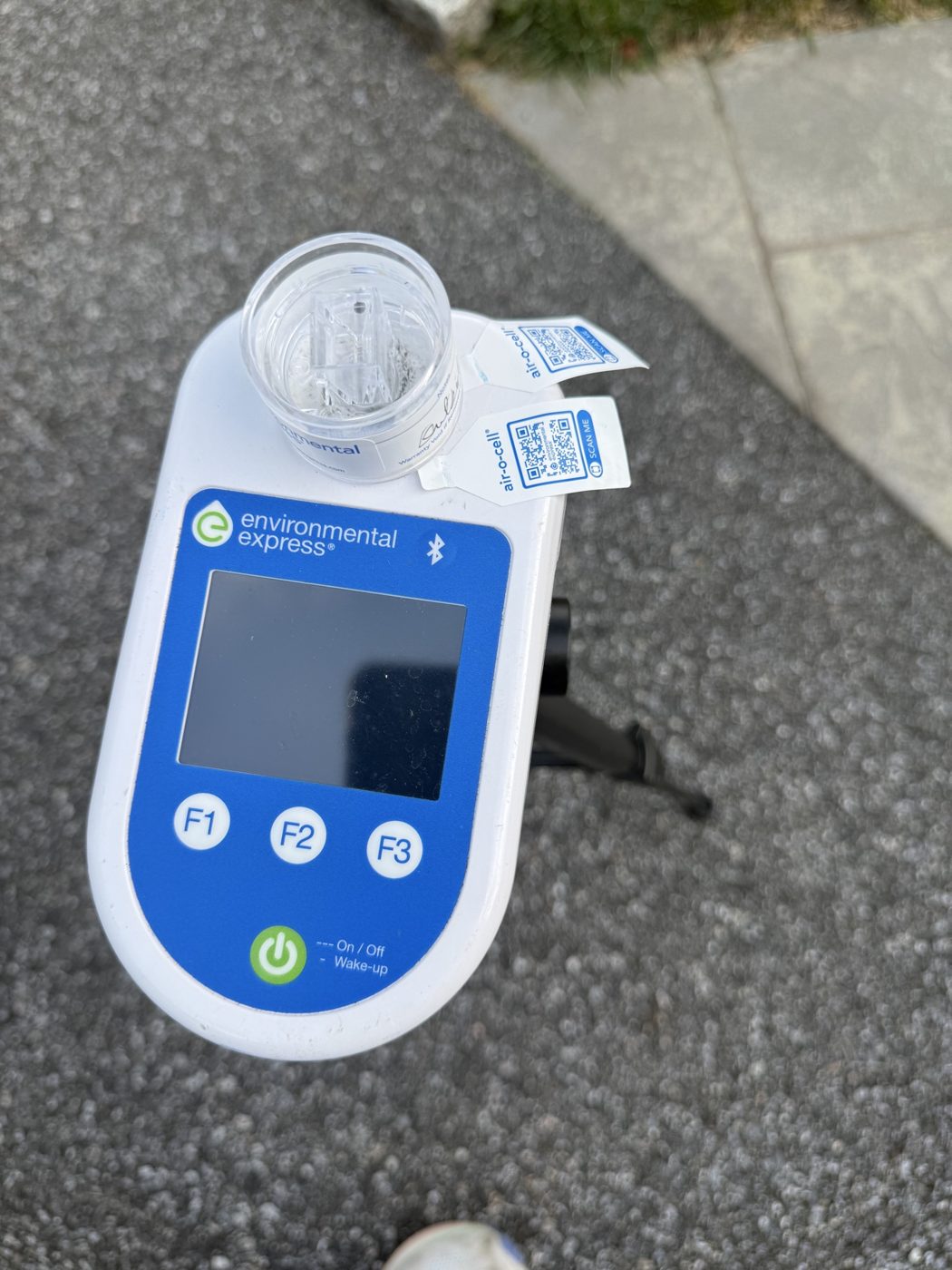
Chain of custody is the documented trail a sample follows from the moment of collection to the moment the lab reports its results. The instant a sample is taken, it is assigned an ID and labeled. It is sealed on the spot. A custody form records what the sample is, exactly where in the home it came from, the date and time it was collected, and who collected it. Every time the sample changes hands after that — to the person transporting it, to the courier or drop-off, to the lab’s receiving desk — the handoff is logged and signed for. When the lab checks the sample in, its condition and seal are verified against the form before analysis begins.
No gaps. No unlabeled sample rattling around in a truck bed. No “I think that one came from the bathroom.” If a link in the chain is missing, anyone reviewing the results later has grounds to question whether the sample analyzed is really the sample that came out of your home.
Your Sample’s Journey, Step by Step
- Collected and labeled on site. The sample gets its ID, location, and collection details written down where it was taken — not reconstructed from memory back at the office.
- Sealed immediately. The seal protects the sample from contamination and shows at a glance if it has been opened or disturbed.
- Logged on the custody form. Sample type, location, date, time, and collector are recorded, and the form travels with the samples.
- Transported and handed off on paper. Each transfer is documented, so custody is never a matter of opinion.
- Checked in at the lab. The lab verifies the seals and paperwork, logs receipt, and only then queues the sample for analysis.
- Analyzed and reported. Results come back tied to the same sample ID that left your home — an unbroken line from your wall to the report.
Why the Paper Trail Protects You
It protects the sample itself
Sealed, labeled, and tracked samples do not get mixed up, swapped, or cross-contaminated. The result on your report describes your home — not the house across town sampled the same morning.
It makes the results defensible
Mold results often end up in front of people who were not in the room: an insurance adjuster reviewing a claim, a buyer or seller in a real-estate transaction, occasionally an attorney. Documented custody is what separates evidence from anecdotes. A result with a complete chain behind it is hard to argue with. A result without one can be challenged by anyone who finds it inconvenient — and a challenged result usually means paying to test all over again.
An Independent, Accredited Lab — With No Stake in the Answer
Our samples go to an independent accredited lab. Independent matters as much as accredited. The lab does not perform remediation. It does not get paid more when a report comes back with high numbers, and it does not lose work when a home comes back clean. Its only job is to analyze what arrives and report what it finds. That neutrality, layered on top of the custody documentation, is what makes a result worth relying on — the same reason we welcome independent testing from homeowners who bring in their own assessor.
How Fast You Get Answers
Good documentation does not mean slow answers. Mold sample results come back in 2–3 days. Lead and asbestos results come back in 5 days. And what lands in your hands is not the lab’s raw printout. Your mold assessment includes a written report for $250, with lab samples at $150 each — a minimum of two, one indoor and one outdoor, so the indoor findings are read against a real baseline. The results are interpreted for you: what was found, where, how it compares, and what should happen next. When My Water Damage Hero performs the remediation itself, post-remediation clearance testing is included in the remediation cost — and those clearance samples travel under the same chain of custody, so the proof that the job worked carries the same weight as the test that started it.
The Same Protocol Covers Lead and Asbestos
Chain of custody is not a mold-only habit. We also test for lead and asbestos, and those samples are labeled, sealed, logged, and sent to the same independent accredited lab, with results in 5 days. Lead and asbestos questions usually surface in older homes — before a renovation opens up painted surfaces or old flooring, pipe insulation, or siding. Testing first, with documentation that holds up, is how you plan that work safely instead of guessing. Our guides to when lead paint testing is required and asbestos testing for homeowners walk through the common situations.
The Bottom Line
Anyone can collect a sample. What makes a test result worth anything is everything that happens next: the label, the seal, the log, the signed handoffs, and an independent accredited lab at the end of the line. That is the standard your insurance company, your buyer, and your family deserve — and it is the standard every sample we take is held to.
My Water Damage Hero has an industrial hygienist on staff, and every completed mold job is backed by our 3-year transferable warranty. We serve Montgomery, Chester, Delaware, Bucks & Berks counties and Philadelphia, and we travel to Delaware. Call (610) 228-7440 or text JESSICA at (610) 708-2193 to schedule testing.
Frequently Asked Questions
Chain of custody is the documented trail a sample follows from the moment it is collected until the lab reports its results. Each sample is labeled and sealed at the collection point, logged with its location, date, time, and collector, and signed for at every handoff — including when the lab receives and checks it in. If any link in that chain is missing, the results can be challenged.
Mold sample results come back in 2–3 days. You receive a written report with the results interpreted for you — what was found, how it compares to the outdoor baseline, and what it means for your home — not just a raw lab sheet. At My Water Damage Hero, the written assessment report is $250 and lab samples are $150 each, with a minimum of two: one indoor and one outdoor.
Lead and asbestos sample results come back in 5 days. Those samples follow the same strict chain of custody as our mold samples — labeled, sealed, logged, and analyzed by an independent accredited lab — so the results hold up for renovation planning, real-estate transactions, and documentation.
An independent accredited lab has no stake in what the results say. It does not sell remediation, and it does not earn more if your home needs work — it simply analyzes the sample and reports what it finds. That independence, combined with an unbroken chain of custody, is what makes the results credible to insurers, buyers, and anyone else who has to rely on them.
Need results you can stand behind? Start with mold testing in Pottstown or our mold testing services — every sample documented from your wall to the lab. Testing for a renovation instead? See our lead testing and asbestos testing services.
Dealing with water damage or mold?
Start with a free visual inspection. We’ll walk your property and give you honest, professional recommendations — no pressure, no guesswork.